AI Essay Outline Generator: Plan Before You Write (2026)
Published October 27, 2026 · 8 min read
AI Essay Outline Generator: Beat Blank-Page Syndrome in 2026
An AI essay outline generator takes your topic, essay type, and requirements and produces a structured plan in seconds: a suggested thesis, main arguments, supporting points, and a conclusion direction. For students who stare at blank pages — which is nearly all of us — it turns the hardest part of essay writing (starting) into a manageable revision task. This guide explains how outline generators work, how to prompt them well, and how to use the output ethically and effectively.
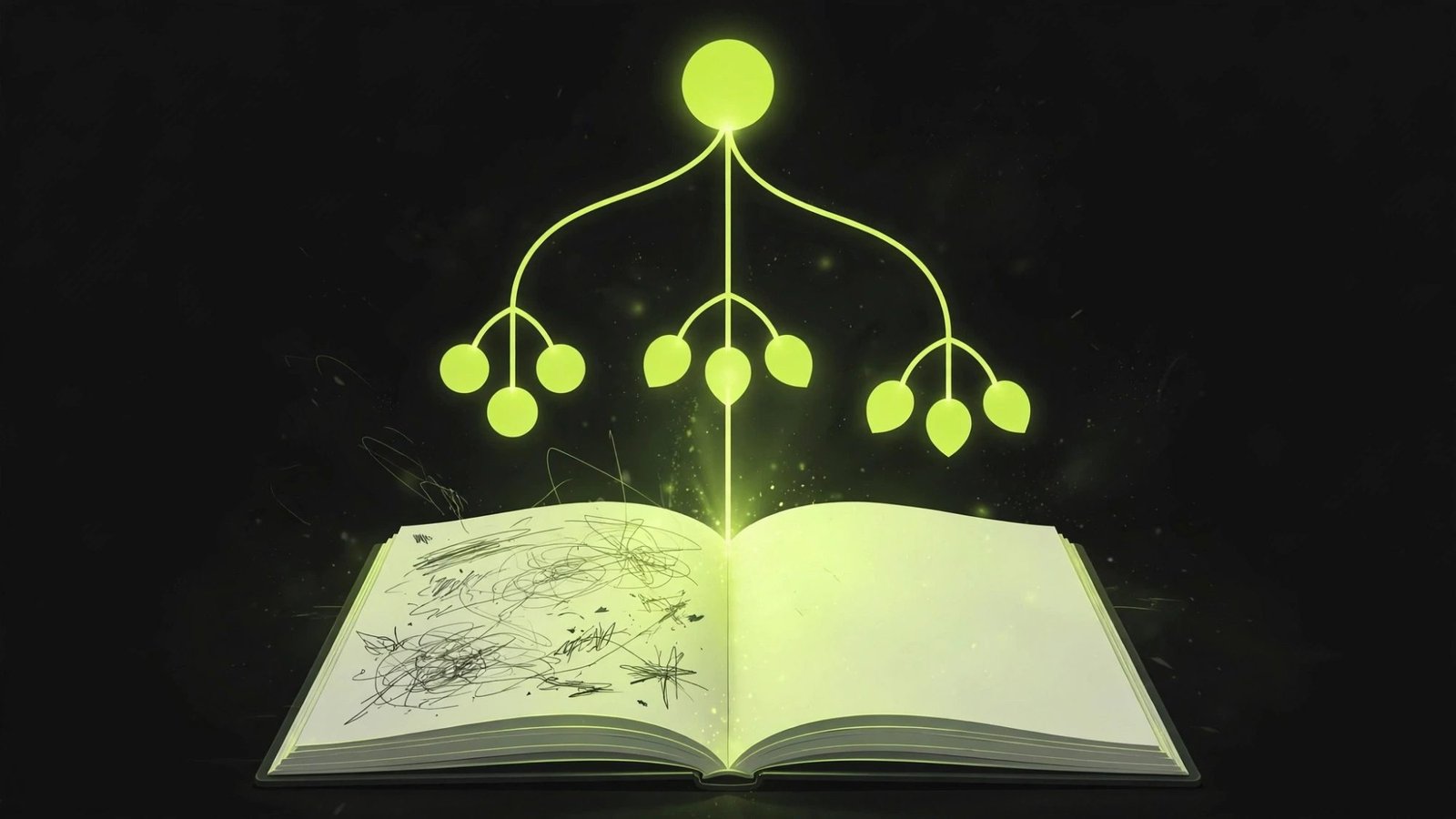
One thing to be clear about up front: an outline generator is a drafting assistant, not a finished-paper machine. It builds the scaffold. You still do the research, write the analysis in your own words, and develop the argument. Used correctly, it makes you a faster, better-organized writer. Used as a shortcut for thinking, it teaches you nothing and can violate academic integrity rules.
Why Outlines Matter (and Why Students Skip Them)
Writing research consistently shows that students who outline produce better-organized, higher-scoring essays. Yet most students skip outlining because it feels like doing the work twice — plan the essay, then write the essay. An AI outline generator removes that friction: you get a structured starting point in seconds, and revising a mediocre outline is far easier than generating one from nothing.
The outline is where your essay's logic gets tested before you commit to prose. A thesis that falls apart under five minutes of scrutiny would have cost you hours of writing. Think of the generator as a sparring partner for your structure.
How an AI Essay Outline Generator Works
You provide the inputs; the AI provides the structure. A typical workflow:
- Enter your topic — the exact essay question or prompt from your assignment.
- Specify the essay type — argumentative, analytical, compare-and-contrast, expository, or narrative. Each type has a different logical structure.
- Add constraints — word count, academic level, required sources, citation style. These shape the outline's depth.
- Receive the outline — thesis suggestion, introduction plan, body paragraphs with main points and supporting evidence slots, conclusion direction.
- Revise it — the crucial step. Rewrite, reorder, and replace until the outline reflects your actual thinking.
The quality of the output depends almost entirely on the quality of your prompt. A lazy prompt ("essay about climate change") gets a generic outline you could have found anywhere. A specific prompt gets a genuinely useful plan.
How to Prompt an Outline Generator Well
Include these four elements every time:
The exact question. Paste the assignment prompt verbatim. The AI needs the real question, not your paraphrase of it.
The essay type and level. "Argumentative essay, second-year undergraduate, 1,500 words" produces a very different outline from "compare-and-contrast essay, high school, 800 words."
Your angle (if you have one). If you already lean toward a position, say so: "I want to argue that..." The generator will build the outline around your thesis instead of a generic one.
Constraints. Required number of sources, citation style, any mandatory topics or readings. The outline should account for them from the start.
Example strong prompt: "Argumentative essay outline, undergraduate level, 1,500 words: 'Should cities ban cars in downtown areas?' I want to argue yes, focusing on air quality and pedestrian safety. Include three main arguments with space for two academic sources each, a counterargument section, and MLA citation format."
From Outline to Essay: The Responsible Workflow
Here is how to turn an AI-generated outline into an essay you can be proud of — and one that is genuinely yours:
- Interrogate the thesis. Is it specific, debatable, and defensible? Rewrite it in your own words. If you cannot argue it from your own knowledge, it is not your thesis yet.
- Do your own research. Fill each body point with real sources you have actually read. The outline's "supporting evidence" slots are placeholders — your job is to find the evidence.
- Replace generic points. AI outlines default to obvious arguments. Swap in the interesting, specific points your research uncovered.
- Reorder for your evidence. The generator does not know which arguments your sources support best. Rearrange the outline so the strongest argument lands where it hits hardest.
- Write every word yourself. The outline is scaffolding, not prose. Your sentences, your analysis, your voice — that is what you are being graded on.
Students who follow this workflow typically write faster and score better, because the outline frees mental bandwidth for the actual analysis. If you also need help reworking sentences once you are drafting, a rewriting and paraphrasing tool can help you find clearer phrasings for your own ideas.
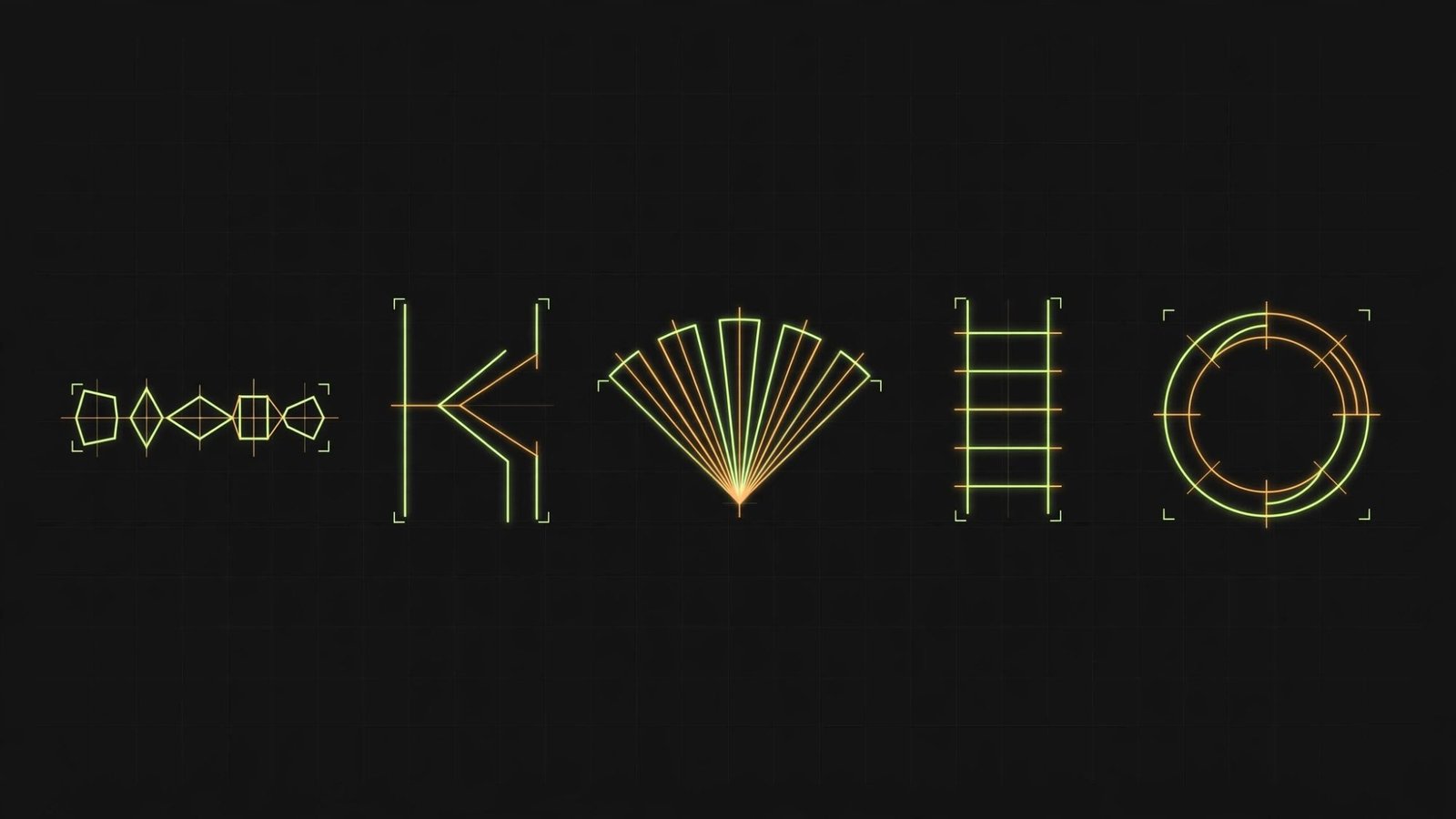
The 5 Classic Outline Structures
Most essays fit one of these patterns. Tell the generator which one you want:
- Argumentative: Introduction with thesis → 3 arguments with evidence → counterargument and rebuttal → conclusion.
- Analytical: Introduction → breakdown of components/themes → analysis of each → synthesis → conclusion.
- Compare-and-contrast: Introduction → similarities → differences → evaluation → conclusion.
- Cause-and-effect: Introduction → causes → effects → significance → conclusion.
- Problem-solution: Introduction → problem description → proposed solutions → feasibility → conclusion.
Knowing the structure you want makes your prompt sharper and the output immediately usable.
Common Mistakes (and How to Avoid Them)
Accepting the first outline. The first output is a draft, not a decision. Generate, then customize — the best outlines are the ones you have argued with.
Keeping a thesis you cannot defend. If the AI suggests a position you cannot support with evidence you have actually read, discard it and write your own.
Letting the outline do the thinking. If you find yourself unable to explain why your essay is structured the way it is, you have outsourced the reasoning. The outline should reflect your plan, not replace it.
Ignoring assignment specifics. A generic five-paragraph outline for an assignment that asked for a literature review will fail. Always cross-check the outline against the rubric.
Academic Integrity: Where the Line Is
Policies vary by school, course, and instructor, so there is no universal rule — but the principle is consistent: the thinking must be yours. Most institutions treat AI outlining like a planning worksheet or a tutor session: acceptable for brainstorming and structure, unacceptable if the AI does the intellectual work you were supposed to do.
The safe approach: check your syllabus and ask your instructor. Many teachers are fine with AI-assisted outlining if you disclose it and the writing, research, and analysis are yours. A few prohibit any AI involvement. Do not guess — ask.
Frequently Asked Questions
What is an AI essay outline generator?
An AI essay outline generator takes your essay topic, type, and requirements and produces a structured plan: a suggested thesis, main arguments, supporting points, and a conclusion direction. It is a planning tool, not a writing service — the outline is a scaffold you fill in with your own research, evidence, and analysis.
Can an AI outline generator write my whole essay?
No — it generates the structure, not the substance. The outline gives you headings, a thesis direction, and talking points, but you still need to research evidence, write the analysis in your own words, and develop the argument. Submitting an AI-generated outline as your own thinking can violate academic integrity policies if your school prohibits AI assistance.
How do I write a good prompt for an essay outline?
Include four things: your exact topic or question, the essay type (argumentative, analytical, compare-and-contrast), your academic level, and any constraints (word count, required sources, citation style). The more specific your prompt, the more useful the outline. Vague prompts get generic outlines.
Are AI-generated outlines considered cheating?
It depends on your school's policy. Many institutions treat AI outlining like using a tutor or a planning worksheet — acceptable for brainstorming, unacceptable if the AI does the thinking you were supposed to do. Check your course's academic integrity policy and your instructor's rules before using one on graded work.
What are the best practices for using an AI outline?
Use the outline as a starting scaffold, then customize it: rewrite the thesis in your own words, replace generic points with your actual research findings, reorder arguments to fit your evidence, and delete anything you cannot defend. The outline should serve your thinking, not substitute for it.
How is an outline generator different from an AI essay writer?
An outline generator produces structure — headings, thesis direction, and bullet points. An AI essay writer produces full paragraphs of prose. Outlines leave all the writing, research, and analysis to you; they are the lower-risk tool and the better study habit, because the hard thinking still happens in your head.
