Can AI Essay Writers Pass Plagiarism Checks? The Honest Answer (2026)
Published October 27, 2026 · 8 min read
Can AI Essay Writers Pass Plagiarism Checks? The Honest 2026 Answer
Can AI essay writers pass plagiarism checks? Often, yes — against traditional similarity checkers. AI-generated text is original in its wording, so there is usually nothing in the source database for it to match. But that answer is dangerously incomplete, because plagiarism checks are only half of what schools look at now. This article gives you the full, honest picture: what AI-generated essays do and do not pass, how modern detection actually works, and why "it passes the checker" is the wrong standard to aim for.
Why AI Text Passes Similarity Checks
Traditional plagiarism detectors — Turnitin's similarity report, Copyscape, and similar tools — work by comparing your text against a database of published sources, web pages, and previously submitted papers. They flag matching strings of words. AI language models generate new word sequences on the fly, so the output rarely matches anything in those databases. The text is "original" in the narrow, mechanical sense: it was not copied from anywhere.
That is exactly why the similarity score is a misleading safety signal. A 3% similarity score on an AI-generated essay tells you nothing about whether the essay represents your own work. It tells you only that the words were not copied — which was never in doubt.
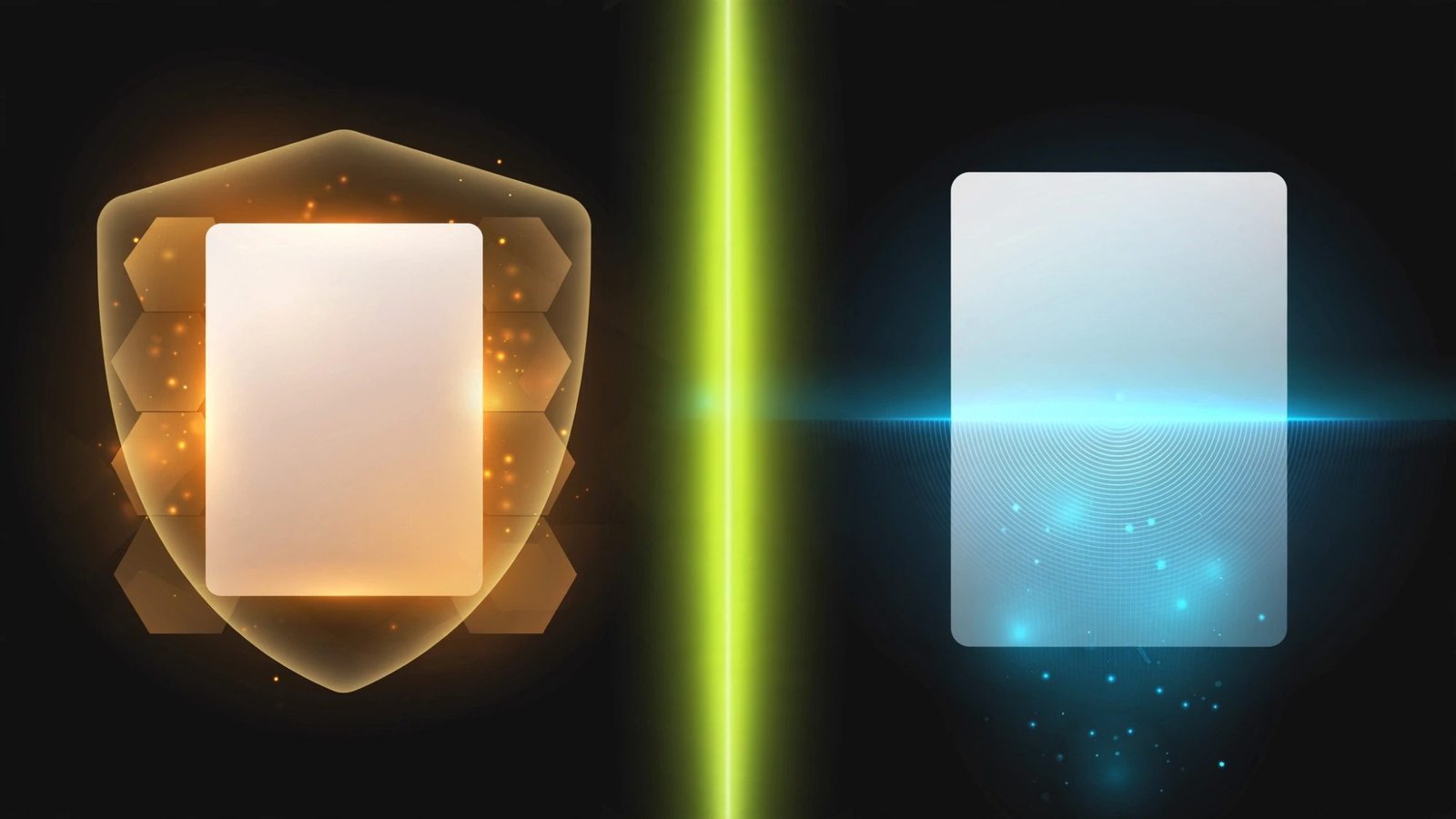
The Two Reports: Similarity vs. AI Detection
Modern academic integrity screening has two layers, and they measure completely different things:
Similarity report (plagiarism). Compares your text to existing sources. Flags copied or closely paraphrased passages. AI-generated text usually scores low here — often under 5%.
AI writing detection report. Analyzes the text itself for statistical patterns characteristic of machine generation: predictable word choices, uniform sentence structure, low "burstiness" (variation in sentence length and complexity). Human writing is messier and more varied; AI writing is smoother and more statistically average.
Turnitin, the most widely used platform in universities, offers both reports, and instructors can view them side by side. An essay can score 2% similarity and 87% AI-generated at the same time. Students who think "it passed the plagiarism check" often do not realize the second report exists.
What AI Detectors Actually Look For
AI detectors do not look for copied text — they look for the fingerprints of machine generation:
- Perplexity. How predictable is each word given the context? AI models choose likely words; humans choose surprising ones more often.
- Burstiness. Human writing varies wildly in sentence length and structure. AI writing tends toward a steady, average rhythm.
- Repetitive phrasing patterns. AI models favor certain transitions and constructions ("Furthermore," "It is important to note," "In conclusion") at rates humans rarely match.
These are probability estimates, not verdicts. Detectors can be wrong in both directions — flagging human writing and missing AI writing. But "the detector might be wrong" is not a strategy; it is a gamble with your academic record.
The Paraphrasing Loophole (and Why It Closes)
Some students try a two-step process: generate the essay with AI, then run it through a paraphrasing tool to scramble the statistical patterns. Does it work? Sometimes, partially — heavy paraphrasing can lower AI-detection scores. But there are three problems:
- It rarely eliminates the signal. Modern detectors are trained on paraphrased AI text too; the underlying uniformity often survives rewording.
- It degrades the essay. Each rewriting pass introduces awkward phrasing and errors. By the time the text "passes," it often reads worse than what you would have written yourself.
- It is still academic dishonesty. Evading detection does not change what the act is. If your school's policy prohibits submitting AI-generated work, laundering it through a paraphraser does not make it compliant — it makes it premeditated.
If you want to improve your own writing's clarity and flow, an AI paraphrasing tool is a legitimate editing aid for text you wrote yourself. Using it to disguise AI-generated submissions is not.
What Actually Happens When Students Get Caught
This is not a hypothetical risk. Documented consequences at universities include:
- Assignment penalties. A zero on the essay is the most common first response.
- Course failure. Many syllabi specify that academic dishonesty on a major assignment means failing the course.
- Formal proceedings. Repeat or egregious cases go to academic integrity boards, with outcomes on your permanent record.
- Program consequences. For professional programs (law, medicine, education), integrity violations can affect licensing and career prospects.
Detection is getting better every semester, and policies are getting more specific. The window in which "nobody will notice" existed is closing — if it was ever really open.
The Legitimate Way to Use AI Writing Tools
AI tools are genuinely useful for students when used as learning aids rather than replacements for thinking. The legitimate workflow:
- Brainstorm with AI. Ask for angles, counterarguments, and examples to consider — then research them yourself.
- Outline with AI. Generate a structure, then customize it with your own thesis and evidence.
- Draft yourself. Write every sentence in your own words. This is the work the assignment is measuring.
- Get feedback on your draft. Ask AI to critique your argument, flag weak transitions, or suggest where evidence is thin — then revise yourself.
- Disclose when required. Many courses now ask students to describe their AI use. Honest disclosure of legitimate use is always safe.
Students who use AI this way consistently report the same thing: the assignments get easier because the thinking gets clearer, not because the work disappeared.
How Instructors Are Adapting
It is worth knowing what you are up against — not to evade it, but to understand the landscape:
- In-class and proctored writing is increasing, especially for high-stakes assessments.
- Process-based grading rewards drafts, outlines, and revision history — artifacts that are hard to fake.
- Oral defenses of written work are appearing in some programs: be ready to explain and defend your essay in person.
- AI-use policies are now standard in most syllabi, with clear definitions of permitted and prohibited uses.
The direction is unmistakable: schools are designing assessments around the assumption that AI exists. The winning strategy is not better evasion — it is genuine competence, which no detector can take from you.
Frequently Asked Questions
Can AI essay writers pass plagiarism checks?
Often, yes — against traditional similarity checkers like Turnitin's similarity report. AI-generated text is original in wording, so it rarely matches existing sources. But plagiarism checks are only half the picture: many schools now also run AI detection, which looks for machine-generated patterns rather than copied text. Passing one does not mean passing both.
Why doesn't AI-generated text trigger plagiarism detectors?
Plagiarism detectors compare your text against a database of existing sources and flag matching phrases. AI models generate new word sequences each time, so there is usually nothing to match. The text is 'original' in the narrow sense that it was not copied — but originality of wording is not the same as originality of thought, which is what your assignment is actually grading.
Can Turnitin detect AI-written essays?
Turnitin offers both a similarity report (plagiarism) and an AI writing detection report. An AI-generated essay typically scores low on similarity but may score high on the AI detection report. The two reports measure different things, and instructors can view both. Relying on 'it passes the plagiarism check' is not a safety guarantee.
Is using an AI essay writer cheating?
In most academic settings, yes — if you submit AI-generated prose as your own work. Academic integrity policies generally require that submitted work represents your own thinking and writing. Some courses allow AI for brainstorming or outlining with disclosure; almost none allow submitting unedited AI-generated essays. Check your specific course policy.
What happens if I get caught submitting AI-written work?
Consequences range from a zero on the assignment to failing the course to formal disciplinary proceedings, depending on the school and whether it is a first offense. Many institutions now have specific AI-use policies with defined penalties. The risk is real and documented — this is not a hypothetical warning.
What is the legitimate way to use AI essay tools?
Use them the way you would use a tutor: for brainstorming ideas, generating outlines, understanding difficult concepts, and getting feedback on your own drafts. Write the actual essay yourself. This builds the skills the assignment is measuring, keeps you within integrity policies, and means the grade reflects your real ability.
