Cold Email Generator: How to Write Cold Emails That Get Replies (2026)
Published October 28, 2026 · 8 min read
Cold Email Generator: How to Write Cold Emails That Get Replies
A cold email generator is a tool that drafts outreach emails for people you have never spoken to before. It takes your offer, your audience, and your goal, then produces a starting draft in seconds. That speed is genuinely useful — but it is worth being honest about one thing up front: no generator, AI or otherwise, can guarantee replies. Replies come from relevance, timing, and respect for the reader's time. The generator gives you a draft; the thinking is still yours.
This guide covers how cold email generators work, the structure of a cold email that actually gets read, the mistakes that kill response rates, and how to use AI-generated drafts without sounding like everyone else's automation.
How a Cold Email Generator Works
Most generators follow the same basic process. You enter a few details — who you are, what you offer, who the email is for, and what you want them to do — and the tool assembles a draft using proven email structures. More advanced tools also let you paste in a prospect's profile or company details so the output includes personalization tokens.
The output is a template, not a finished email. The best results come from treating the generated draft as a first version: you then add the one or two personal details that prove you wrote this for a human being, not a mailing list. If you want to experiment with drafting outreach faster, a free email helper tool can produce your first draft from a short brief in seconds.
The Anatomy of a Cold Email That Gets Read
High-performing cold emails share a structure, regardless of industry. Here is the anatomy, piece by piece.
1. Subject line under 40 characters
The subject line decides whether the email is opened at all. Short, specific subject lines beat clever ones. Good patterns include a company name, a shared connection, or a concrete question: "Quick question about {{company}}", "Idea for {{firstName}}", "Intro: {{yourName}} from {{yourCompany}}". Avoid ALL CAPS, excessive punctuation, and anything deceptive — misleading subject lines destroy trust and can break spam rules.
2. The first line proves it's for them
The opening sentence is the most important line in the email. It must show this email was written for this specific person. Reference something real: a recent announcement, a podcast they appeared on, a job posting that signals a need, or a detail from their profile. This one line separates personal outreach from spam more than anything else.
3. One short paragraph of value
State what you do in one or two sentences, framed around the reader's problem — not your product's features. "We help marketing teams cut reporting time from 4 hours to 30 minutes" beats "Our AI-powered analytics platform leverages machine learning." If you can include a genuine customer result, even better — but never invent results you don't have.
4. A single, low-friction call to action
Ask for one small thing: a 15-minute call, a reply with a yes or no, a look at a one-pager. Never ask for three things. And make the ask easy to say yes to — "Would Tuesday or Thursday work for a quick call?" outperforms "Let me know when you're free sometime."
What a Good Generated Draft Looks Like
Here is a realistic example of a strong cold email, the kind a generator should help you produce:
Subject: Quick idea for {{company}}
Hi {{firstName}},
I noticed {{company}} just opened three sales roles in EMEA — congrats on the growth.
We help sales teams like yours book more meetings by automating prospect research, so reps spend time on calls instead of spreadsheets. Teams like {{similarCustomer}} cut research time per rep by about half.
Worth a 15-minute look next week? Happy to share what's working for similar teams either way.
Best, {{yourName}}
Notice what it does: 90 words, one specific observation, one clear value statement, one easy ask. Nothing about this requires genius — it requires relevance and brevity, which is exactly what a generator can help you maintain at scale.
Mistakes That Kill Response Rates
- Sending to the wrong list. The single biggest factor in cold email success is list quality. An email to 50 perfect-fit prospects beats an email to 5,000 random addresses every time.
- Writing about yourself. Open with the reader, not with "I'm the founder of..." Your credentials matter only after they care about the problem.
- Burying the ask. If the reader reaches the end without knowing what you want, the email failed. One ask, stated plainly.
- Skipping the follow-up. Most replies arrive on the second or third email. One-and-done outreach leaves most of the value on the table.
- No unsubscribe option. Include an easy opt-out in every outreach email. It is legally required in many jurisdictions and it costs you nothing — people who don't want your emails won't buy from you anyway.
Follow-Up Emails: Where the Replies Actually Are
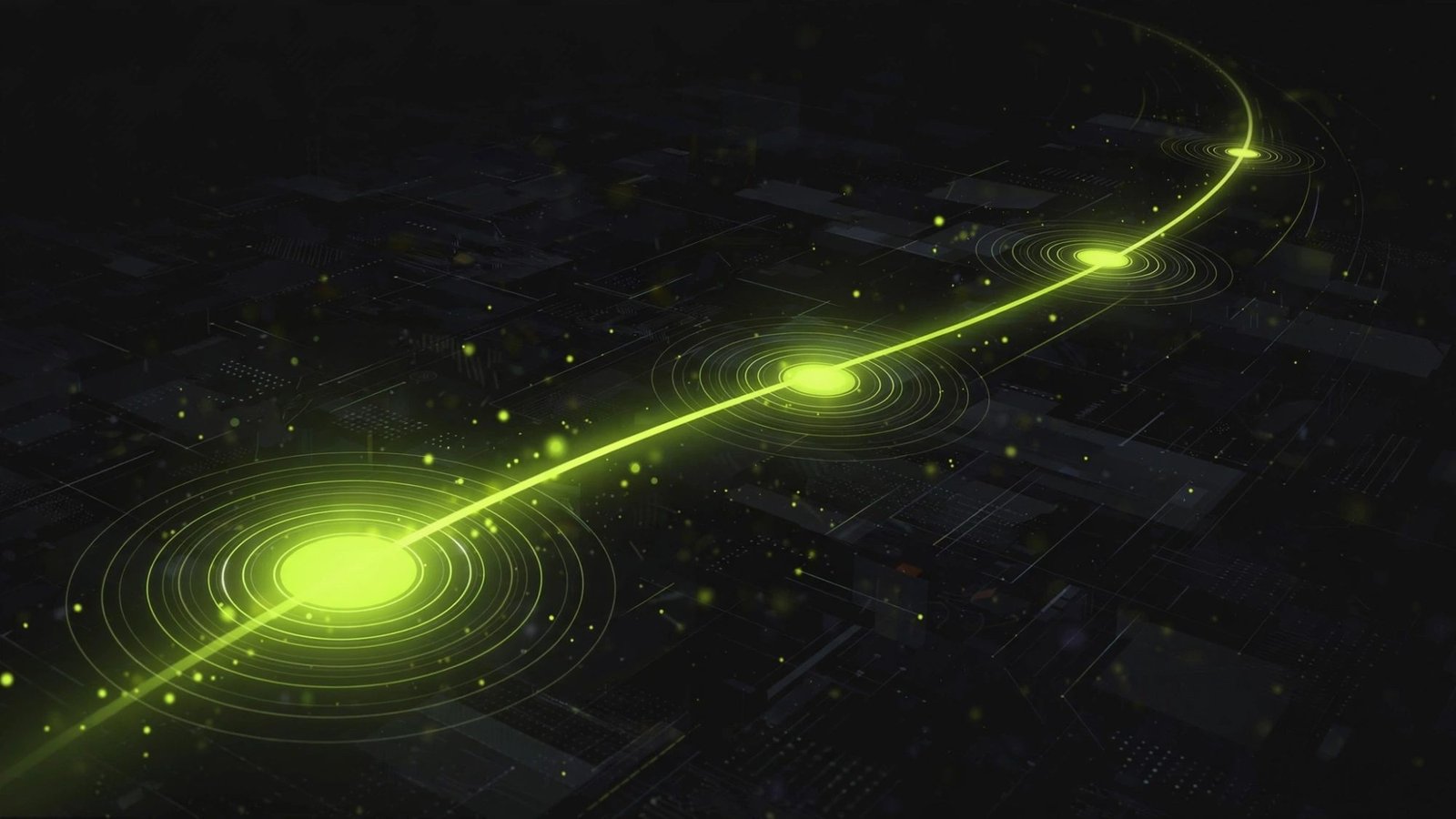
Plan your follow-up sequence before you send the first email. A simple, effective cadence:
- Day 0: Initial email.
- Day 3: Short bump — "Bringing this back up in case it got buried."
- Day 7: Add something new — a relevant article, a customer story, a different angle on the value.
- Day 12: The breakup email — "I'll assume the timing isn't right and stop here. If that changes, I'm one reply away."
Keep each follow-up to two or three sentences. Reference the original email rather than repeating it. And respect a "no" or an unsubscribe instantly — persistence that ignores signals is harassment, not sales.
Personalization at Scale (Without Sounding Robotic)
The fear with any cold email generator is that 500 recipients get 500 identical emails. The fix is a simple rule: automate the structure, personalize the details. For each campaign, write 3–5 personalization points you can rotate — a trigger event, a shared connection, a specific observation about their company. Then write the opening line fresh for each high-value prospect. For lower-tier prospects, a generator with good input data can fill in the personalization tokens, but spot-check the output before sending.
A useful test: read the email and ask, "Could this have been sent to anyone?" If yes, add the detail that makes it only for this person.
Cold Email Deliverability Basics
Even a perfect email fails if it lands in spam. The technical basics matter:
- Warm up new domains and inboxes before sending volume — start with a handful of emails per day and increase gradually.
- Set up SPF, DKIM, and DMARC records for your sending domain. This is non-negotiable in 2026.
- Keep lists clean. Bounce rates above 2% hurt your sender reputation. Verify addresses before sending.
- Watch your volume. Sending hundreds of cold emails per day from a single inbox is the fastest way to get flagged.
- Avoid spam-trigger language — excessive exclamation marks, "FREE!!!", and misleading claims.
Measuring What Matters
Track these metrics for every campaign: open rate (tells you if subject lines and deliverability are working), reply rate (the real measure of email quality), positive reply rate (not all replies are interest), and meetings booked (the outcome that matters). A cold email generator helps with drafting speed, but the numbers tell you whether the message is landing. Iterate on one variable at a time — subject line first, then opening line, then the offer framing.
Frequently Asked Questions
Do cold emails still work in 2026?
Yes, but only when they are short, relevant, and sent to people who genuinely match what you offer. Mass-blast cold email has near-zero response rates and risks spam complaints.
How long should a cold email be?
Aim for under 125 words. Emails under this length consistently outperform longer ones because busy readers skim or delete long unsolicited messages.
Is it legal to send cold emails?
It depends on the country. The US CAN-SPAM Act permits unsolicited commercial email with an opt-out and valid contact details, while the EU and UK generally require prior consent. Always check local rules and offer an easy unsubscribe.
What should the subject line of a cold email say?
Keep it under 40 characters, specific, and honest. Reference something real — a company, role, or trigger event — and never use deceptive clickbait.
How many follow-ups should I send?
Two to three polite follow-ups spaced a few days apart is the standard. Most replies arrive on follow-ups, but stop immediately if someone opts out or asks you to.
