Europass CV vs Modern CV: Which Wins in 2026?
Published November 3, 2026 · 7 min read
Europass CV vs Modern CV: Which Wins in 2026?
The Europass CV vs modern CV debate comes up for almost everyone applying to jobs connected to Europe. On one side is Europass, the standardized template created by the European Union, familiar and officially recognized. On the other side is the modern CV: shorter, sharper, designed for fast reading and automated screening. Both are legitimate formats, but they serve different purposes — and choosing the wrong one can quietly hurt your application. This guide compares the two side by side so you can pick the format that fits your target.
What Is a Europass CV?
The Europass CV is a free, standardized CV format developed by the European Union to make qualifications comparable across member states. Anyone can generate one through the official Europass portal: you fill in your details and it produces a CV with a fixed structure, fixed headings, and a recognizable layout.
Its strength is standardization. An employer in any EU country instantly knows where to find your education, work experience, and language skills, because every Europass CV organizes them the same way. For EU institutions, European public sector roles, and some academic applications, it remains the expected — sometimes required — format.
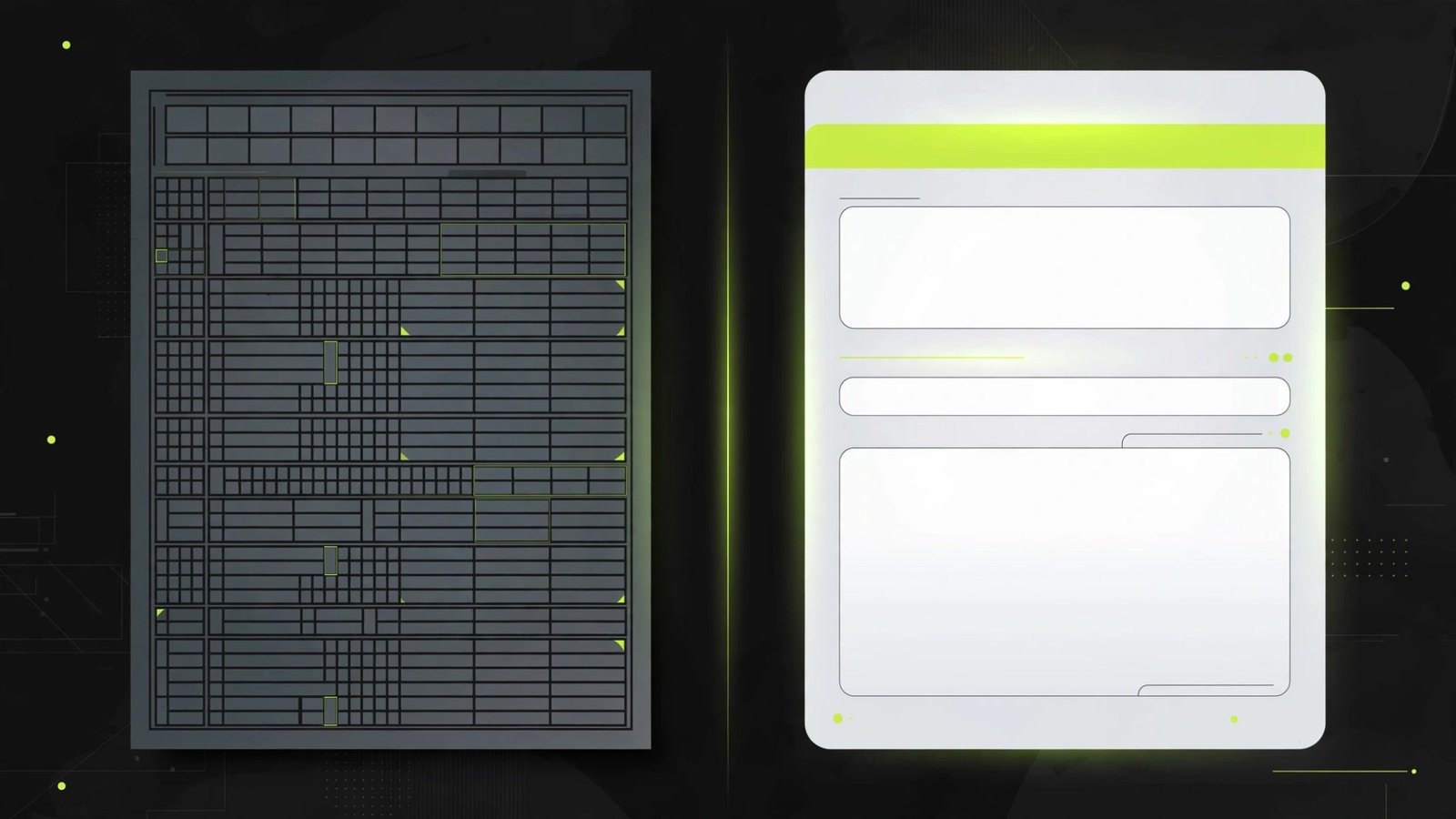
Its weakness is everything else. The fixed structure leaves little room to highlight what matters most for a specific job. The layout is long, visually dated, and text-heavy. And because it was designed for comparability rather than persuasion, it reads more like a form than a pitch.
What Counts as a Modern CV?
A modern CV is not one specific template — it is an approach. It is typically one to two pages, opens with a short personal profile, and presents experience as achievement-focused bullet points rather than duty descriptions. The design is clean and minimal: clear headings, plenty of white space, a single readable font, and a single-column layout that both humans and software can parse easily.
The philosophy behind it is simple: recruiters skim, so every line must earn its place. Instead of listing everything you have ever done, a modern CV curates — it foregrounds the experience and skills most relevant to the role you want. If you want help restructuring into this style, a resume helper can rework duty-heavy descriptions into sharp achievement bullets.
Side-by-Side Comparison
Structure. Europass uses fixed sections in a fixed order, identical for every applicant. A modern CV lets you reorder sections to lead with your strengths — skills first for a career changer, experience first for a straightforward application.
Length. Europass CVs routinely run to three or four pages because the template encourages completeness. Modern CVs aim for one page (two at most), which forces the prioritization recruiters appreciate.
Design. Europass looks institutional and dated, with its recognizable sidebar and dense tables. Modern CVs look clean and current, with typography and spacing doing the visual work instead of boxes and shading.
Tone. Europass describes duties: what the role involved. Modern CVs describe achievements: what you accomplished, ideally with numbers. This is the single biggest difference in how the two formats read.
Screening software. Many employers use applicant tracking systems to parse CVs before a human sees them. Europass's tables and fixed formatting frequently confuse this software, causing sections to land in wrong fields. A simple single-column modern CV is parsed far more reliably.
Geographic fit. Europass is recognized across the EU and expected by EU institutions. The modern CV is the default in the US, UK, and most private-sector hiring worldwide, including multinational companies operating in Europe.
When Europass Still Makes Sense
Europass is the right choice in a narrow set of situations. If the job posting explicitly asks for a Europass CV — common with EU institutions, European Commission roles, and some public sector positions — use it without hesitation. It is also sensible for academic applications in countries where it remains the norm, and for anyone who wants maximum cross-border comparability of formal qualifications.
In these cases, do not try to be clever with the format. Fill it in completely and accurately, and let the standardization do its job. The employer asked for Europass because they want uniformity, not creativity.
When a Modern CV Wins
For almost everything else, the modern CV wins. Private-sector jobs, startups, multinationals, tech, finance, marketing, remote roles — in all of these, hiring managers expect a concise, achievement-focused document. A modern CV also wins whenever your application passes through screening software, which is increasingly the norm even at smaller companies.
It is also the better format for career changers, freelancers, and anyone whose strengths do not fit neatly into Europass's boxes. The flexibility to lead with a skills section or a strong profile summary lets you control the narrative instead of filling in a form.
What Recruiters Actually Prefer
Ask private-sector recruiters and the answer is consistent: they prefer the CV they can read in under a minute. That means short, scannable, and focused on results. Few recruiters will penalize a Europass CV explicitly, but many will simply spend less time on it — and in a competitive pile, less attention means fewer callbacks.
The honest framing is this: format is not the deciding factor, content is. A strong Europass CV beats a weak modern one. But all else being equal, the modern format gives your content a better chance of being read, understood, and remembered. When a posting does not specify a format, default to modern.
How to Convert a Europass CV to a Modern Format
Converting is straightforward because you keep the content and change the presentation. Start by adding a three-line personal profile at the top summarizing who you are and what you offer. Then go through each role and rewrite duty descriptions as achievement bullets: what did you accomplish, for whom, at what scale. Cut ruthlessly until you reach two pages maximum — merge short stints, drop irrelevant early roles, and remove the skills-rating bars Europass encourages. Finally, rebuild the document in a clean single-column layout with standard fonts. The result contains the same facts, but reads like a pitch instead of a form.
Frequently Asked Questions
What is a Europass CV?
A Europass CV is a standardized CV template created by the European Union. It uses a fixed structure with set headings so that qualifications are easy to compare across EU countries.
Is the Europass CV still used in 2026?
Yes, mainly for EU institutions, public sector roles, and academic applications in Europe. For most private-sector jobs, modern CV formats are now the standard.
Do recruiters prefer Europass or modern CVs?
Most private-sector recruiters prefer modern CVs: they are shorter, achievement-focused, and easier to skim. Europass is preferred where institutions specifically request it.
Can I convert my Europass CV to a modern format?
Yes. Keep your content, but restructure it: add a short profile, convert duty descriptions into achievement bullets, cut it to one or two pages, and use a clean single-column layout.
Does Europass work with applicant tracking systems?
Often poorly. The Europass layout with its tables and fixed formatting can confuse screening software. A simple modern CV layout is parsed far more reliably.
