Fantasy Name Generator: Crafting Names That Fit Your World
Published November 5, 2026 · 8 min read
Fantasy Name Generator: Crafting Names That Fit Your World
A fantasy name generator is the fastest cure for the blank-page stare that hits every fantasy writer eventually. You need a name for the grizzled mercenary, the cursed forest, and the inn where chapter three opens — and you need them now. A good generator hands you dozens of options in seconds, each tuned to a genre, culture, or mood.
But a generated name is a starting point, not a finished product. The names readers remember — the ones that feel like they could not possibly belong to anyone else — are shaped by the world's sound, culture, and story. This guide shows you how to use a fantasy name generator well, then refine its output into names that feel inevitable.
How Fantasy Name Generators Work
Under the hood, most generators use a combination of three techniques:
- Syllable assembly — the generator holds banks of syllables (ae, thor, mir, dan) tagged by style, then combines them into pronounceable sequences.
- Phonetic profiles — each category (elven, dwarven, orcish, celestial) has rules about which sounds appear, where stress falls, and how long names run.
- Real-language borrowing — many generators draw on Welsh, Old Norse, Finnish, or other languages whose sounds already feel "fantasy" to English readers, then alter spellings to avoid direct copying.
The result is fast and varied, which is exactly what you want during drafting. For quick inspiration across characters, places, and creatures, try the free character name generator and iterate on whatever catches your eye.
Naming Characters: Sound Before Meaning
Readers meet a character's name before they meet the character. The sound of the name sets expectations — and you can use that deliberately.
Match the Sound to the Role
- Heroes and nobles tend toward flowing, open sounds: vowels, soft consonants, balanced syllables. Think of names that feel easy to cheer for.
- Villains and monsters lean into hard consonants, guttural clusters, and abrupt endings. A name that is slightly difficult to say can make a character feel dangerous.
- Tricksters and rogues suit short, punchy names with a lilt — names that feel quick.
These are tendencies, not laws. Subverting them — giving the gentle healer a harsh name with a soft backstory — is a legitimate technique, as long as it is intentional.
The Pronunciation Test
If your beta readers cannot pronounce a name, they will skip it or invent their own version, and you lose control of the character's identity. Test every major name:
- Say it aloud three times fast.
- Ask someone to spell it after hearing it once.
- Check that it does not accidentally spell something unfortunate when read quickly.
A name that passes all three is a keeper. Apostrophes deserve special suspicion — one can add flavor, but a name with three apostrophes is a name readers will dread.
Building Cultures Through Names
The real power of fantasy naming is not individual names but systems. When every name from one culture shares a sound palette, readers start to recognize origins on sight — and that recognition builds world depth for free.
Give Each Culture a Sound Signature
Pick two or three signature features per culture:
- Allowed sounds: which vowels and consonants appear most
- Syllable shape: do names run short (one or two syllables) or long (three or four)?
- Endings: do names end in vowels, soft consonants, or hard stops?
Example: a seafaring culture might favor flowing s-sounds and open endings (Selanna, Marisol, Thessaly), while a mountain clan uses clipped consonant clusters and hard endings (Brakk, Thurn, Keld). Generate a batch of names for each culture, keep the ones that fit the signature, and discard the rest.
Surnames Carry History
First names identify individuals; surnames identify belonging. Fantasy surnames work best when they encode something about the world:
- Occupational: Smith, Fletcher, and their fantasy equivalents (a family of glassblowers named Vayle)
- Geographic: names tied to a birthplace or landscape feature
- Patronymic: "son of" / "daughter of" constructions, common in Norse-inspired settings
- Earned: titles or deeds that became names over generations
A surname that tells a micro-story ("Ashborn," "Stormcaller") does double duty as characterization.
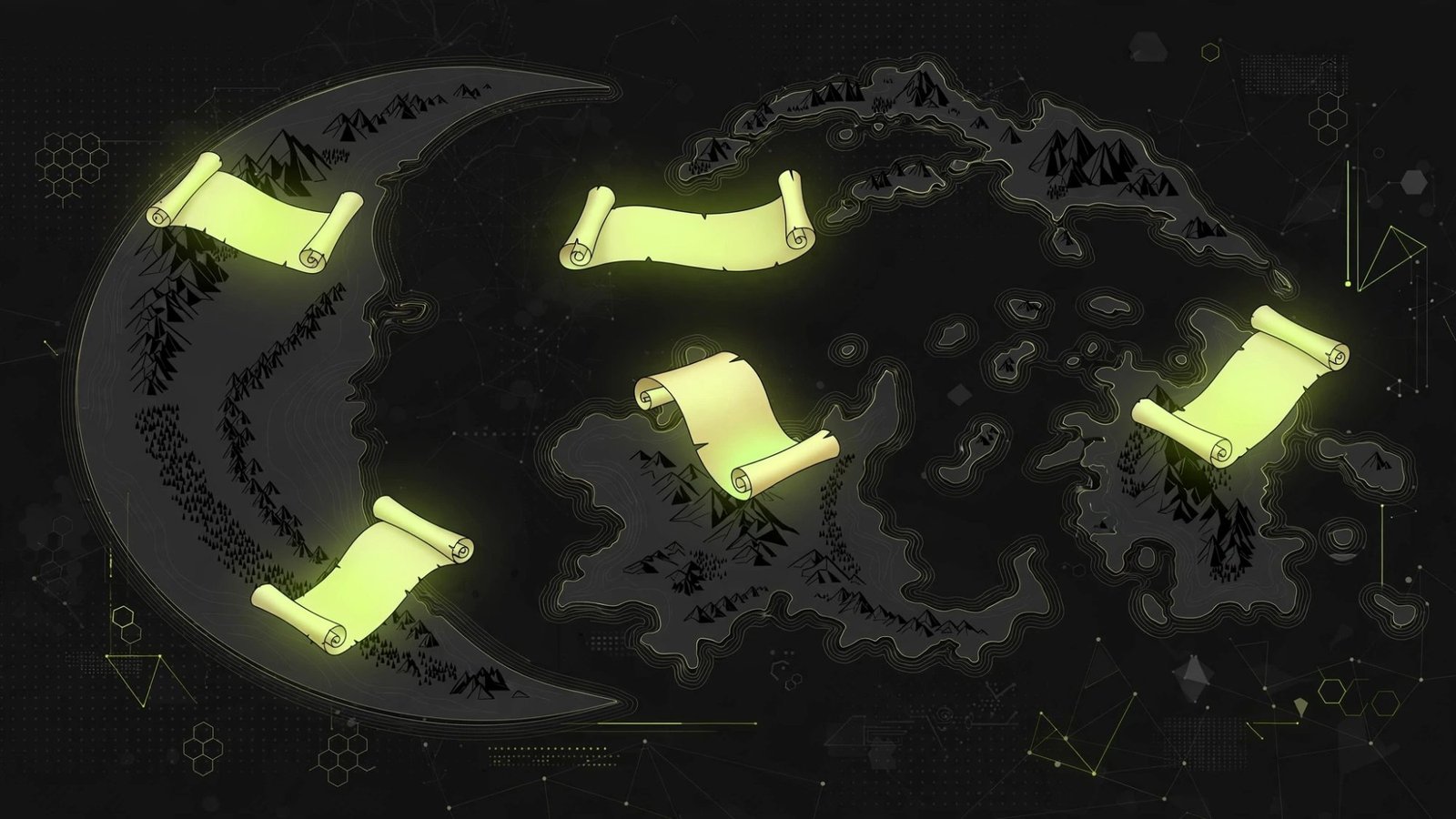
Naming Places: Let Locations Feel Old
Place names should feel older and more worn than character names. Real-world place names are full of fossilized descriptions — a "ford" where a river was crossed, a "chester" where Romans camped. Imitate that layering:
- Compound descriptives: Stonehollow, the Ashen Marches, Graywater Bay
- Possessives with history: Harrow's Fall (who was Harrow, and what fell?)
- Corrupted originals: a place once called "the Bright Sanctum" might be "Brisanct" after five hundred years of lazy pronunciation
When a place name hints at a story, readers lean in. You do not have to tell that story — the hint alone adds depth.
Naming Creatures and Monsters
Creature names work on a different axis: they should evoke a reaction. Decide what the creature is for in the story — horror, wonder, comic relief — and name toward that feeling. A horror beast wants a name with teeth in it; a whimsical familiar wants something soft and bouncy. Onomatopoeia is fair game: names that sound like what the creature does.
From Generated to Original: A Refinement Workflow
Here is a practical workflow for turning generator output into publishable names:
- Generate in bulk. Produce 30–50 names for the culture or category you need. Do not judge yet.
- Circle the survivors. Keep anything that sparks even mild interest — roughly one in five.
- Apply your sound signature. Tweak survivors to fit the culture's phonetic rules. Change an ending, swap a vowel, drop a syllable.
- Check for collisions. Search each finalist online. If it is a famous character, a real person of note, or an unfortunate word in another language, cut it.
- Say the keepers in sentences. "___ drew her sword" should sound natural. If you stumble, keep tweaking.
- Record everything. Maintain a name bible — a simple list of every named character, place, and creature with pronunciations. Future-you will be grateful.
Common Fantasy Naming Mistakes
- The apostrophe epidemic. One apostrophe per name is a style choice; more is a cry for help.
- Names that all sound alike. If your cast is Kael, Kaela, Kaelen, and Kaelis, readers will mix them up. Vary starting sounds and syllable counts across major characters.
- Earth-culture whiplash. Borrowing a full real-world name (a Viking named "Steve") breaks immersion unless it is a deliberate joke.
- Unsearchable collisions. Publishing a novel with a protagonist named "Arya" or "Legolas" invites comparisons you do not want. The search check in step 4 exists for this reason.
- Over-explaining the etymology. You built the linguistic history; the reader needs only the name. Let the system show through usage, not lectures.
Testing Your Names With Real Readers
Before committing to a name, run it past actual humans. Read your top five candidates aloud to a friend and ask them to spell each one back — the names that survive this test are your finalists. Then try the "bookstore test": imagine the name on a shelf next to your genre's bestsellers. Does it look like it belongs, or does it stick out for the wrong reasons? Finally, search each finalist alongside your genre ("Elena Voss fantasy author") to confirm no established writer already owns that space. A name that passes the ear test, the shelf test, and the search test is ready.
Frequently Asked Questions
How do fantasy name generators work?
Most fantasy name generators combine syllable fragments, phonetic patterns, and name lists drawn from real-world languages. You pick a category — elven names, dwarven surnames, dark fantasy villains — and the generator assembles names that match that style's sound profile.
Are names from a fantasy name generator original enough to use?
Short generated names are generally safe to use, but very long or distinctive outputs can occasionally resemble existing fictional names. Always search a name you plan to publish — a quick web search catches accidental collisions with famous characters.
How do you make a fantasy name sound like it belongs to a specific culture?
Give each fictional culture a small set of signature sounds and syllable patterns, then build all its names from those. If one culture uses flowing vowels (Aeliana, Soriel) and another uses hard consonants (Grukk, Tharn), readers will feel the difference instantly.
What makes a fantasy name memorable instead of forgettable?
Memorable names are pronounceable, visually distinctive, and tied to the character's role or personality. A name readers can say aloud and spell after one encounter beats a twelve-letter string of apostrophes every time.
Should fantasy place names follow the same rules as character names?
Place names should feel older and more worn than character names — they carry history. Compound descriptive names (Stonehollow, the Ashen Marches) work well for locations, while character names can be shorter and sharper.
