Free Alternative to Undetectable.AI: 5 Honest Options to Try
Published October 29, 2026 · 7 min read
Free Alternative to Undetectable.AI: 5 Honest Options to Try First
Searching for a free alternative to Undetectable.AI usually means one of two things: you want to make AI-assisted writing sound more natural, or you want to evade AI detectors. The tools below can help with the first goal. But before we get to them, you deserve an honest explanation of what these tools actually do — because the marketing around "undetectable AI" is mostly fiction.
What Undetectable.AI Actually Is
Undetectable.AI is a paid service that rewrites AI-generated text with the stated goal of making it pass AI detectors. It charges per word or through subscriptions. Its marketing promises that the rewritten text will be classified as human by popular detectors.
Here is what the marketing does not tell you:
- No independent verification exists for the claim that its output reliably passes all detectors.
- Detectors are updated constantly, and detector developers specifically train against tools like this.
- The claim is unfalsifiable in practice — if it fails on your text, the company can blame the detector, the settings, or the input.
This does not mean the tool does nothing. It rewrites text, and rewritten text scores differently on detectors. But "scores differently" and "guaranteed undetectable" are very different claims.
What "Undetectable" Really Means
AI detectors produce statistical estimates, not verdicts. When a humanizer tool claims its output is "undetectable," it usually means the output scored below some threshold on some detector at some point in time. That is a far cry from invisibility.
Consider what would have to be true for guaranteed undetectability:
- Every detector would have to fail on the output — including detectors built after the test.
- The output would have to be indistinguishable from human writing to statistical analysis designed specifically to find it.
- No future detector update could ever catch it.
None of these hold. Detector developers have strong incentives to catch humanizer output, and they train on it directly. It is an arms race with no permanent winner.
5 Free Alternatives Worth Trying
If your real goal is making AI-assisted drafts sound more human — which is the legitimate use — these free options do the job:
1. A Free AI Humanizer
A free AI humanizer rewrites stiff, robotic-sounding text into more natural phrasing. Use it on your own drafts or AI-assisted outlines, then edit the result in your own voice. The free tier handles typical article-length passages.
Best for: Smoothing out AI-assisted drafts into natural prose.
2. A Paraphrasing Tool
Free paraphrasers rewrite sentences with different words and structures. They are excellent for breaking up repetitive phrasing and varying your rhythm. Run your draft through one, then revise the output — never accept it blindly.
Best for: Varying sentence structure and word choice.
3. Your Own Editing Pass
The most powerful "humanizer" is free and always available: reading your draft aloud and fixing what sounds wrong. AI-generated text has recognizable tics — certain transition phrases, overly balanced sentence structures, vague filler. Your ear catches them faster than any tool.
Best for: Everything. This is the step that actually makes text sound human.
4. A Grammar and Style Checker
Free grammar tools catch the mechanical issues — but they also flag the overly formal, stilted constructions that make AI text sound robotic. Simplifying a sentence often makes it sound more human.
Best for: Cleaning up awkward, over-formal phrasing.
5. A Readability Analyzer
Tools that score reading level and sentence variety show you where your text is monotonous. AI text tends toward uniform sentence length; breaking that pattern is one of the fastest ways to sound human.
Best for: Diagnosing robotic rhythm in your drafts.
The Workflow That Actually Works
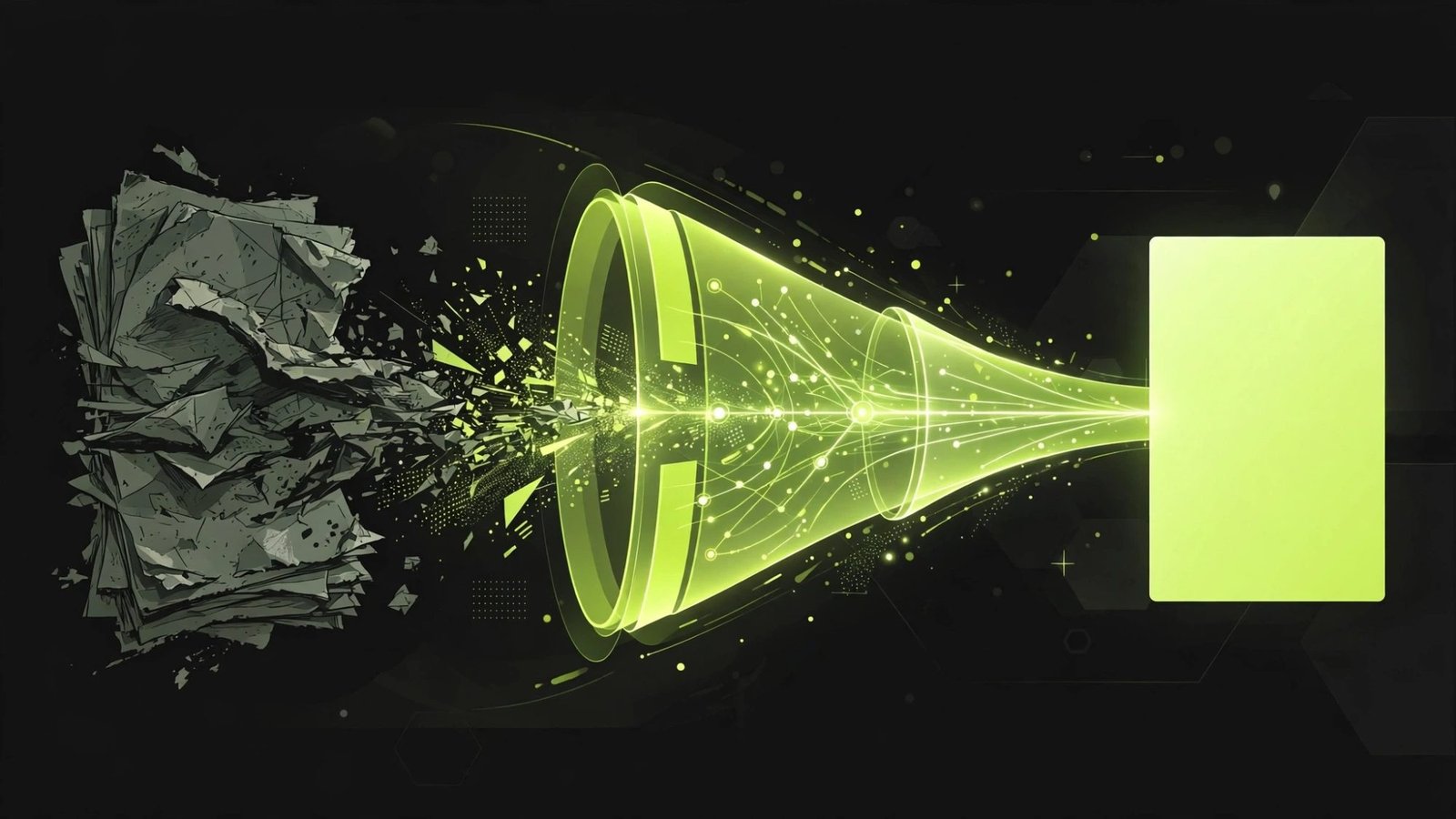
Here is the honest workflow for turning AI-assisted material into genuinely good writing:
- Start with your own ideas. Use AI for research and outlining if you like, but know what you want to say first.
- Write the draft yourself. Your natural voice is the goal — tools can polish it, not replace it.
- Run it through a humanizer or paraphraser for a fresh perspective on phrasing.
- Read it aloud and edit ruthlessly. Cut the filler, vary the rhythm, add your personality.
- Check the facts. AI-generated material can contain errors; verify everything.
Text produced this way does not need to "bypass" detectors. It is human writing, improved by tools — which is what editing has always been.
When "Undetectable" Gets You in Trouble
Using evasion tools to submit AI-generated work as your own carries real risks:
Academic settings. Most universities now have explicit policies against disguising AI-generated work. Penalties range from failing the assignment to expulsion. Detection is not the only risk — many cases are caught through inconsistencies, not detector scores.
Professional settings. Employers who discover misrepresented work lose trust in the writer. In fields like journalism, law, and academia, the reputational damage can end a career.
The irony. Text run through evasion tools often reads worse than the original AI output — awkward, unnatural, and full of strange word choices. You risk everything for worse writing.
Red Flags in Humanizer Marketing
When evaluating any tool that promises undetectability, watch for these warning signs:
- "100% undetectable" or "guaranteed to pass." No honest tool promises this.
- No explanation of method. Legitimate tools explain what they do to text.
- Fake detector screenshots. Some sites show fabricated "human" scores.
- No free trial. If the tool works as claimed, why not prove it first?
- Pressure tactics. Countdown timers and "limited spots" are sales tricks, not evidence.
An honest humanizer tells you it helps you edit — not that it makes you invisible.
Frequently Asked Questions
What does Undetectable.AI claim to do?
Undetectable.AI markets itself as a tool that rewrites AI-generated text so that AI detectors classify it as human-written. It is a paid service that charges per word or via subscription for rewriting text to evade detection.
Is there a free alternative to Undetectable.AI?
Yes. Free paraphrasing and humanizing tools can rewrite AI-generated text in similar ways, changing word choice and sentence structure. However, no free or paid tool can guarantee that detectors will classify the output as human-written — that claim does not hold up to scrutiny.
Is using an undetectable AI tool cheating?
It depends on the context. In academic settings, submitting AI-generated work disguised as your own violates integrity policies at virtually every institution. In professional writing, using rewriting tools to polish AI-assisted drafts is normal editing. The rules of your institution or employer decide.
Do AI detectors catch text rewritten by humanizer tools?
Often, yes. Modern detectors are trained on text produced by paraphrasing and humanizing tools specifically. Detection rates vary by tool, detector, and text, but the idea that any rewriting tool is invisible to all detectors is a marketing claim, not a verified fact.
What is the legitimate use of AI humanizer tools?
The legitimate use is editing AI-assisted drafts into your own voice: improving flow, fixing awkward phrasing, and making the text sound like you. Writers have always used editing tools on rough drafts. The problem is not the tool — it is using it to misrepresent who wrote the text.
SUGGESTED RELATED POSTS
- What Bypass AI Detection Claims Really Mean — Read the Fine Print
- AI Humanizer Red Flags: 6 Signs a Tool Is Overpromising
- Can QuillBot Bypass AI Detection? The Evidence
