Free Plagiarism Checker for Students (2026 Guide)
Published October 25, 2026 · 7 min read
Free Plagiarism Checker for Students: Check Before You Submit
A free plagiarism checker for students lets you scan your essay for accidental similarity before your professor's software does it for you. Most similarity flags aren't cheating — they're poorly paraphrased sources, forgotten quotation marks, or bibliography entries. Finding them yourself, before submission, is just smart writing hygiene.
This guide explains how these checkers work, how free tools honestly compare to Turnitin, and how to use one so there are no surprises on grading day.
What a Free Plagiarism Checker Actually Checks
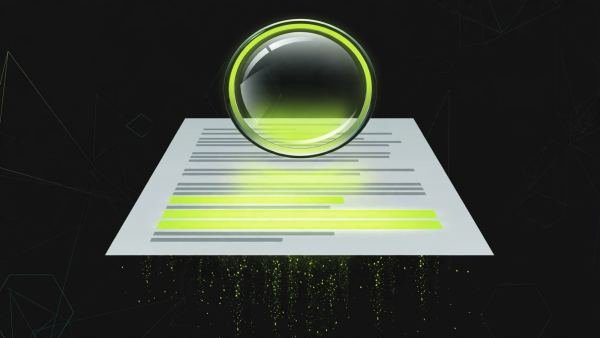
A plagiarism checker compares your text against a database of sources — web pages, published papers, and sometimes previously submitted student work — and highlights passages that match. The result is a similarity report: a percentage plus the specific passages and their suspected sources.
Here's what most students misunderstand: the percentage is a measure of textual overlap, not a verdict of plagiarism. A 15% similarity score on a paper with lots of properly cited quotations is completely fine. A 5% score where the matched 5% is a copied paragraph with no citation is a real problem. A good free plagiarism checker shows you the matches so you can judge each one yourself.
Free Tools vs Turnitin: The Honest Comparison
Let's be direct: free checkers are not Turnitin. Turnitin's database includes millions of previously submitted student papers and subscription journals that free tools can't access. If your school uses Turnitin, a free checker is a useful pre-screen, not a guarantee.
That said, free tools are genuinely useful for catching the most common issues: text copied from Wikipedia or other websites, passages lifted from open-access papers, and your own previously published work. For most undergraduate essays, the sources that cause accidental flags are public web sources — exactly what free checkers cover best.
Think of it this way: a free checker catches the obvious problems. Turnitin catches everything. Running the free check first means fewer surprises later.
How to Use One Before Submitting
Run your check on the near-final draft — not the first draft, which will change anyway, and not five minutes before the deadline, when you won't have time to fix anything. Give yourself at least a day of buffer.
Read the full report, not just the percentage. For each highlighted passage, ask: is this quoted and cited? Is it a common phrase or terminology that any paper on this topic would contain? Is it my bibliography? Those are all fine. What you're looking for is substantive text from a source that isn't properly attributed — fix those passages by quoting, paraphrasing properly, or citing.
Understanding Your Similarity Score
There is no universal "safe" percentage, because every institution and instructor interprets scores differently. As a rough guide: under 10% with proper citations is unremarkable; 10–20% deserves a look at what's matching; over 20% usually means something needs attention.
But context matters more than the number. A literature review with many cited quotations will naturally score higher than an original argument essay. What matters is whether every match is either properly cited, a reference-list entry, or genuinely common phrasing — not the number itself.
It's also worth knowing that different tools calculate the percentage differently. Some exclude quoted material and bibliographies automatically; others count everything and leave the interpretation to you. If your score looks alarming, check whether the tool has an "exclude bibliography" or "exclude quotes" option before panicking — toggling those often drops the number dramatically and legitimately.
What About Self-Plagiarism?
Self-plagiarism sounds like a contradiction, but it's real: submitting your own previously submitted work as if it were new. If you wrote a great paper last semester and want to reuse parts of it, most institutions still require you to cite yourself — yes, really — or get the instructor's permission first.
Free checkers can flag this if your earlier work ended up in their database (for example, if it was posted online). If you see matches to your own writing, don't just delete them — cite the earlier work like any other source, or rewrite the section fresh. When in doubt, ask your instructor before submitting; "but I wrote it" is not the defense most students think it is.
Privacy: Where Does Your Text Go?
This is the question students forget to ask. Some free checkers store submitted text to expand their databases — which means your essay could theoretically match against itself if you check it twice, or appear in someone else's report later. Before pasting your work into any tool, check its privacy policy for how long it retains text and whether you can opt out of storage.
As a rule of thumb, prefer tools that state clearly they don't store your submissions, and avoid uploading unpublished research or anything you plan to publish.
Lowering Similarity the Right Way
If your report shows problematic matches, fix them honestly. For text you want to keep: put it in quotation marks and cite it properly. For ideas you want to keep: paraphrase genuinely — restate the idea in your own structure with your own examples, then cite the source. Paraphrasing isn't word-swapping; if only a few words changed, it's still too close.
What not to do: don't run your text through a paraphrasing tool just to dodge the checker. That's automated patchwriting, most instructors consider it academic misconduct, and newer detection systems are specifically trained to catch it.
One more practical habit: keep your drafts. If you're ever questioned about a flagged passage, being able to show earlier versions of your document — with timestamps — is powerful evidence that the work is yours. Google Docs version history does this automatically; in Word, save dated copies as you revise. Students who can show their process almost always resolve these situations quickly, because the evidence trail speaks louder than any similarity percentage.
Frequently Asked Questions
What is the best free plagiarism checker for students?
The best one is whichever gives you a detailed report — highlighted passages with sources, not just a percentage — and states clearly that it doesn't store your text. Always read the full report, not just the score.
Can a free plagiarism checker replace Turnitin?
No. Turnitin's database includes submitted student papers and subscription journals that free tools can't access. A free checker is a useful pre-screen that catches the most common issues, not a guarantee.
Do free plagiarism checkers store my essay?
Some do, some don't. Check the tool's privacy policy before submitting — prefer tools that explicitly say they don't retain your text, especially for unpublished work.
What similarity percentage is acceptable?
There's no universal safe number — it depends on your institution. Under 10% with proper citations is usually unremarkable; what matters more is whether every match is cited, a reference entry, or common phrasing.
How can I lower my similarity score honestly?
Quote and cite text you want to keep verbatim, paraphrase genuinely (your own structure and examples, plus a citation), and make sure every source is in your reference list. Never use paraphrasing tools just to dodge detection.
