Graduate CV Examples UK: 3 Formats Recruiters Prefer
Published November 1, 2026 · 7 min read
Graduate CV Examples UK: 3 Formats Recruiters Prefer
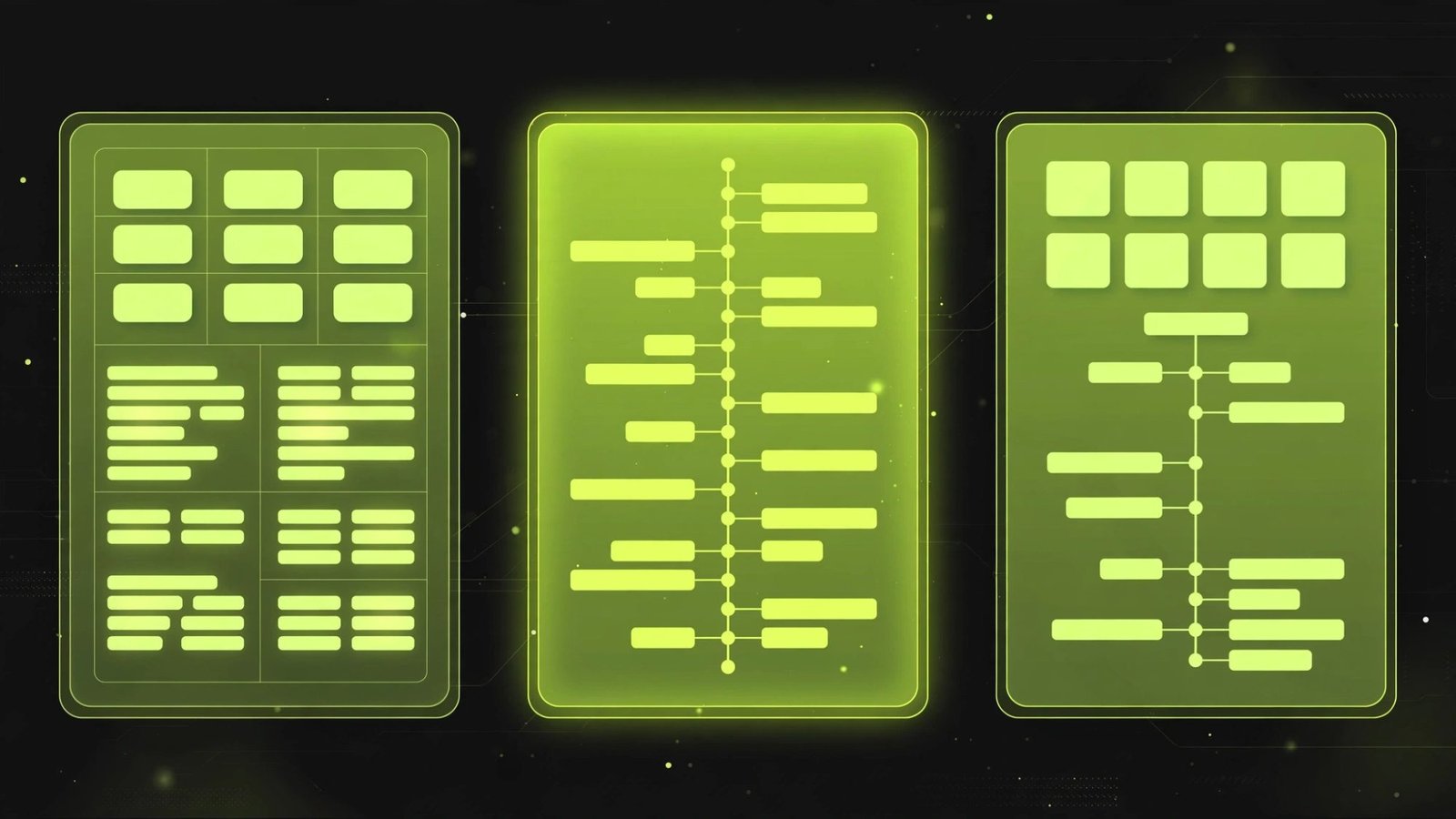
These graduate CV examples UK recruiters actually read will show you how to turn a thin work history into a strong application. As a new graduate, your CV does not compete on years of experience — it competes on clarity, relevance, and proof that you can do the job. Below are the three formats UK hiring managers prefer, with a full breakdown of what goes in each section, plus the mistakes that get graduate CVs rejected before a human reads them.
What UK Recruiters Expect From a Graduate CV
UK recruiters spend seconds on a first scan, and they look for the same things every time: can this person do the job, and is this CV easy to read? For graduates, that means your education and skills matter more than your job titles. A recruiter hiring a junior analyst does not expect five years of experience — they expect evidence of relevant skills, genuine interest, and the ability to learn.
The non-negotiable basics: your name and contact details at the top, a short personal profile (three to four lines), education with grades, any work experience including part-time jobs and internships, a skills section, and references available on request. Keep the layout clean — one readable font, clear headings, and consistent formatting throughout.
Try a student CV builder to get the structure right first, then customize the content for each application using the formats below.
Format 1: The Skills-Based Graduate CV
The skills-based format leads with what you can do rather than where you have worked. It is the best choice for most recent graduates because it puts your strongest material — your abilities and education — right where the recruiter looks first.
How it is structured: Personal profile, then a "Key Skills" section with three or four skill groups (for example: data analysis, communication, technical skills), each backed by a one-line example. Then education, then work experience in brief, then additional information.
Graduate CV example — skills section:
Data analysis: Analyzed survey data from 200 respondents for a final-year dissertation using Excel and SPSS; presented findings to a panel of three academics.
Communication: Wrote weekly articles for the university newspaper (readership 5,000); delivered a 20-minute conference presentation to 80 attendees.
Teamwork: Coordinated a team of six on a semester-long group project, delegating tasks and running weekly check-ins; the project earned the highest grade in the cohort.
Best for: Graduates with limited work experience, career changers, and anyone whose degree skills matter more than their job titles.
Format 2: The Chronological Graduate CV
The chronological format lists your experience in reverse date order, starting with the most recent. It is the format recruiters know best, and it works well when you have something solid to show — a placement year, a strong internship, or two years of relevant part-time work.
How it is structured: Personal profile, education, work experience (reverse chronological, with bullet-point achievements), skills, additional information.
Graduate CV example — experience section:
Marketing Intern, Brightline Media, London — Jun 2025 to Sep 2025
- Wrote 30+ blog posts and social captions, contributing to a 15% rise in blog traffic over the summer
- Built weekly performance reports in Google Sheets for the content team
- Researched competitor content and presented findings that shaped the autumn content calendar
Barista, Café Nero, Manchester — Sep 2023 to May 2025
- Served 100+ customers daily in a high-volume city-centre branch
- Trained four new starters on till systems and customer service standards
Notice that even the barista job is written to show transferable skills: pace, reliability, training others. Every line should answer the recruiter's silent question — "so what?"
Best for: Graduates with a placement year, strong internships, or two or more years of part-time work with real responsibilities.
Format 3: The Hybrid Graduate CV

The hybrid format opens with a punchy skills summary and then moves into a short chronological work history. It gives you the best of both: your abilities hit first, and your experience backs them up.
How it is structured: Personal profile, key skills summary (a tight bullet list, no examples yet), education, work experience with achievement bullets, projects or extracurriculars, additional information.
Graduate CV example — profile and skills:
Profile: Final-year computer science student with strong Python and SQL skills, seeking a junior data analyst role. Built three portfolio projects analyzing real datasets, and completed a summer internship automating weekly reports.
Key skills: Python (pandas, matplotlib) · SQL · Excel · Data visualization · Report writing · Git
Best for: STEM graduates, anyone with portfolio projects, and graduates whose technical skills are the main selling point.
What to Put in Each Section
Personal profile (3–4 lines): Who you are, what you offer, what you are looking for. Write it last, after the rest of the CV is done. Avoid clichés like "hard-working team player" — show it in the bullets instead.
Education: University, degree title, classification (or predicted grade), and graduation year. Add two or three relevant modules and your dissertation topic if it relates to the job. A-levels or equivalents go below the degree in brief.
Work experience: Every role gets the job title, employer, location, and dates, followed by two to four bullet points starting with strong verbs: built, analyzed, coordinated, wrote, delivered. Quantify where you can — numbers make bullets believable.
Skills: Split into technical skills (software, languages, tools) and transferable skills (communication, teamwork, problem-solving). Only list skills you could defend in an interview.
Additional information: Driving licence, languages, volunteering, relevant hobbies — only if they add something. "Interests: reading, travel, music" adds nothing. "Captain of the university debating society" does.
Graduate CV Mistakes That Get You Rejected
One giant block of text. Recruiters scan; they do not read essays. Use bullets, white space, and clear headings.
Listing duties instead of achievements. "Responsible for answering phones" tells the recruiter nothing. "Handled 50+ customer calls daily, resolving 90% without escalation" tells a story.
A generic profile for every application. If your profile could apply to any job, it applies to none. Rewrite the profile and skills for each role, echoing the language of the job description.
Typos. A single spelling error on a graduate CV suggests carelessness. Read it aloud, run a spellchecker, and have someone else read it too.
Fancy formatting that breaks ATS. Many large UK employers screen CVs with software before a human sees them. Tables, text boxes, headers and footers, and unusual fonts can all confuse the parser. Keep the layout simple.
Frequently Asked Questions
What should a UK graduate CV include?
A UK graduate CV needs your contact details, a short personal profile, education (with grades and relevant modules), work experience including part-time jobs and internships, key skills, and optionally projects or extracurriculars. Keep it to two pages maximum.
How long should a graduate CV be in the UK?
Two pages is the standard for UK graduate CVs. One page is fine if you have very little to show, but most graduates can fill two pages with education, projects, part-time work, and skills. Never go over two pages as a new graduate.
Should a graduate CV include a photo?
No. UK employers do not expect or want photos on CVs, and including one can look unprofessional. The only exception is certain creative or performance roles where a portfolio or showreel is standard.
What is the best CV format for a recent graduate?
A skills-based or hybrid format usually works best for recent graduates, because it puts your abilities and education first instead of leading with a thin work history. A chronological format suits graduates with strong internships or placement years.
Do UK employers use ATS to screen graduate CVs?
Many large UK employers do. Use a simple layout, standard section headings, and keywords from the job description. Avoid tables, text boxes, graphics, and unusual fonts that parsing software can misread.
