How to Write a Cover Letter With AI (Without Sounding Like a Robot)
Published November 2, 2026 · 8 min read
How to Write a Cover Letter With AI (Without Sounding Like a Robot)
How to write a cover letter with AI is now one of the most-searched career questions — and also one of the most misunderstood. Millions of job seekers paste "write me a cover letter" into a chatbot, submit the result, and wonder why nothing lands. The problem is not that AI is useless for cover letters. It is that the way most people use it produces the same generic letter everyone else submits: polite, vague, and instantly forgettable. Used correctly, AI is a powerful drafting assistant. Used lazily, it is a rejection machine. This guide shows the workflow that works: the right prompts, the right rewriting steps, and the line between smart assistance and self-sabotage.
Why Most AI Cover Letters Fail
Ask a recruiter what AI-generated cover letters look like, and you will hear the same description: three paragraphs of smooth, empty prose. "I am excited about the opportunity to contribute my skills to your dynamic team." No specifics. No personality. No evidence.
The failure has a technical cause. Chatbots are trained to produce the most probable next words, which means they default to the most common phrasing — and the most common phrasing is the most generic. When ten thousand applicants all ask for "a professional cover letter for a marketing role", they get variations of the same letter. Recruiters, who read hundreds of these, notice.
There is a deeper problem too: AI cannot know your actual achievements. It will either write around them with vague claims ("proven track record of success") or — worse — invent plausible-sounding specifics that are false. Submitting fabricated achievements is not a shortcut; it is a career risk.
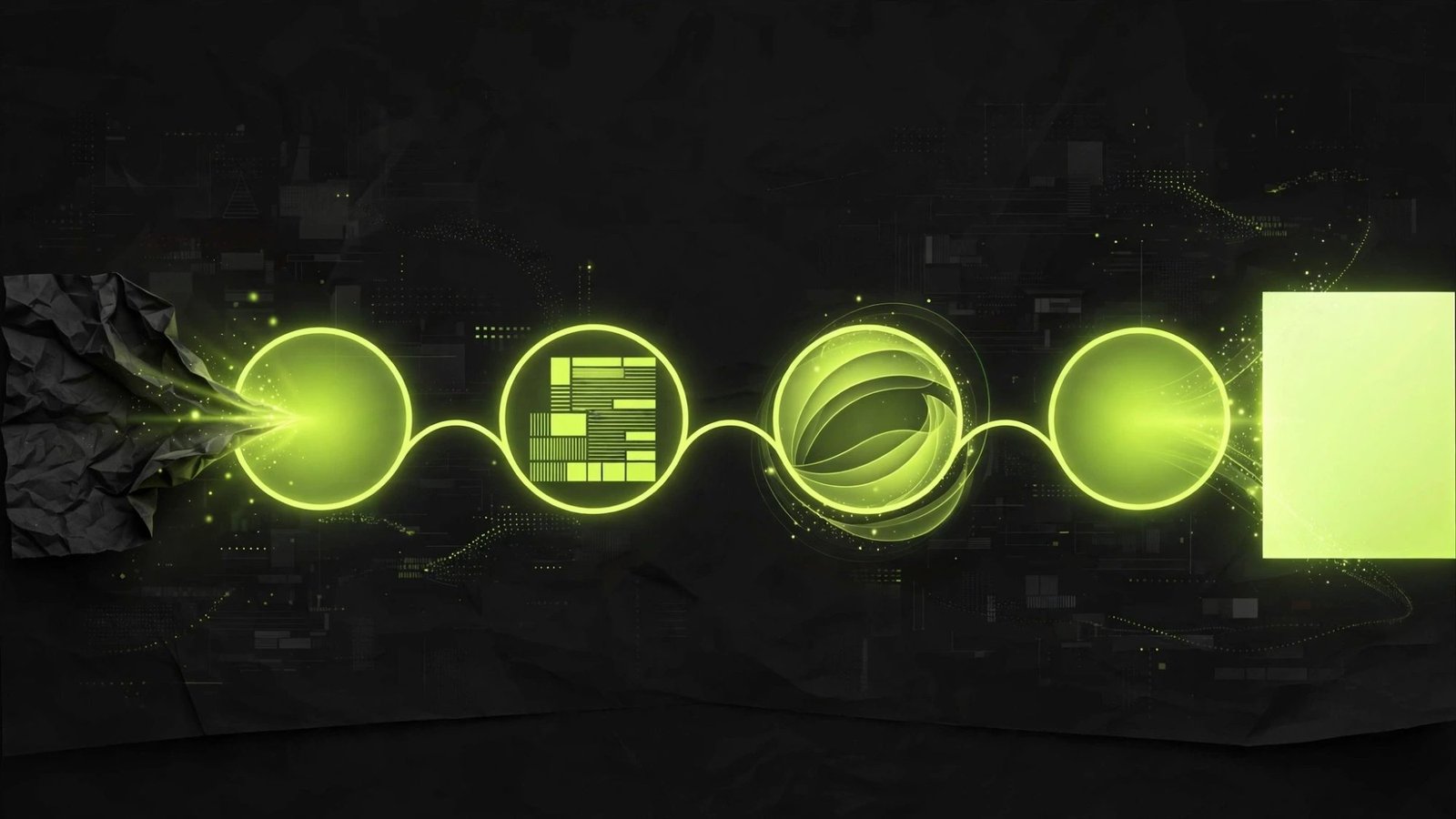
The Right Way to Use AI: A Four-Step Workflow
The correct approach treats the AI as a junior assistant: useful for structure and phrasing, but requiring your direction and your final judgment.
Step 1: Feed It the Right Information
A good output requires a good input. Before prompting, gather three things: the full job description, your CV (or at least your key achievements for this role), and one or two sentences about why this company specifically interests you. Paste all of this into your prompt. The AI can only be specific if you give it specifics to work with.
Step 2: Generate Structure, Not Final Copy
Ask the AI for a draft — explicitly as a draft. A good prompt looks like: "Write a 250-word cover letter draft for [role] at [company]. Base it on these achievements: [list]. Match the tone to [formal/confident]. Keep it structured as: opening, two body paragraphs tied to the job requirements, closing." Notice what this prompt does: it constrains length, anchors every claim to your real achievements, and forces the letter to respond to the actual job.
Step 3: Rewrite in Your Own Voice
Now take over. Read the draft and rewrite every sentence that does not sound like you. Replace the AI's smooth generalities with your concrete details: the project name, the number, the specific situation. This is the step most people skip, and it is the step that matters most. A letter that is 80% rewritten from an AI draft is an assisted letter. A letter that is 5% rewritten is an AI letter with your name on it.
Step 4: Add What AI Cannot Know
The final 10% of the letter is the part no tool can write for you: the genuine, specific reason you want this job at this company. A sentence like "I switched to your platform during the NHS rollout and have been following your accessibility work since" does more for your application than any polished paragraph. This is also where your personality should surface — the AI gives you correct; you give it real.
Prompts That Actually Work
Keep a small library of prompts for different stages:
First draft: "Write a cover letter draft of 250 words for [exact job title] at [company]. Use my achievements below. Tone: professional and direct. Do not use the words 'passionate', 'dynamic', or 'leverage'."
Tightening: "Cut this letter to 200 words without losing any specific achievements. Remove any sentence that could apply to a different candidate."
Tone check: "Rewrite this paragraph to sound more confident and less formal, like a capable colleague explaining what they did."
Customisation: "Adapt this letter for [different company] and [different role], keeping my achievements but reordering them to match this job description: [paste]."
Notice that none of these prompts ask the AI to invent. Every one of them asks it to work with your material.
What to Never Let AI Do
Some tasks belong entirely to you:
Invent achievements or numbers. If you do not give the AI your real results, it will generate plausible ones. Every fabricated claim is a lie on your application — and interviewers probe exactly these details.
Choose which jobs to apply for. AI will happily help you apply to anything. Strategy — which roles genuinely fit — requires your judgment about your career.
Write the final version. The closing pass must be human. Read the letter aloud. If a sentence sounds like it came from a template, it did, and the recruiter will know.
The Honesty Question: Will Employers Know?
There are two separate questions here. Can employers detect AI-written cover letters? Often yes — not through magic detector tools, but through pattern recognition. Recruiters read AI text all day; they know what it sounds like. The tells are consistent: hedged enthusiasm, parallel structure across paragraphs, achievements described in adjectives rather than numbers, and a complete absence of specific, quirky detail.
Is using AI dishonest? Drafting assistance is now normal — comparable to using a spellchecker or asking a friend to review. The line is crossed when the letter misrepresents you: fake achievements, fake enthusiasm for a company you know nothing about, or a letter so generic it pretends personal interest that does not exist. If your AI-assisted letter is honest, specific, and sounds like you, you have nothing to disclose and nothing to hide.
A practical test: if the hiring manager asked "did you use AI to help with this?", would you feel embarrassed? If yes, the letter is not yours yet. Rewrite until the answer is no.
A Faster Starting Point
If you want to skip the blank page entirely, a cover letter generator built for this purpose can produce a structured first draft from your details in a minute — then apply the four-step workflow above to make it genuinely yours. The tool is the accelerator; your rewriting is the engine.
Frequently Asked Questions
Can employers detect AI-written cover letters?
Often, yes — AI-written text has recognisable patterns (repetitive structure, generic phrasing, hedging language) that experienced recruiters and some detection tools can spot. The risk is not a detector score; it is sounding like everyone else who used the same tool.
Is it dishonest to use AI for a cover letter?
Using AI for drafting, structure, and editing is now normal — like using a spellchecker. It becomes dishonest only if you misrepresent skills or experience, or submit something so generic it pretends to be a personal letter. Disclosure is rarely required, but authenticity is.
What is the best prompt for a cover letter?
Give the AI the job description, your CV or key achievements, the company name, and a tone instruction — then ask for a draft structured around the role's top requirements. Vague prompts ('write me a cover letter') produce vague letters; specific inputs produce specific drafts.
Should I use the AI draft as my final letter?
Never. AI drafts are starting points. Always rewrite in your own voice, replace generic claims with your specific achievements, and cut anything that sounds like it could apply to any candidate at any company.
Which parts of a cover letter should I never let AI write?
Your specific achievements, numbers, and stories about your work must come from you — AI invents plausible-sounding details that are false. Also keep control of the opening line and the closing: these are the most-read parts and the most likely to reveal a generic draft.
