Why AI-Generated CVs Get Rejected: The Real Reasons
Published November 5, 2026 · 7 min read
Why AI Generated CVs Get Rejected: The Real Reasons
Understanding why AI-generated CVs get rejected starts with a myth worth killing: it is not because employers run AI detectors on applications. Most don't, and the tools aren't reliable enough to base hiring on. AI-generated CVs get rejected for the same reason bad human-written CVs get rejected — generic content, unverifiable claims, and formatting that breaks applicant tracking systems. A resume helper can build the structure, but only you can supply the substance that gets past the first scan.
Myth: Detectors Are Rejecting Your CV
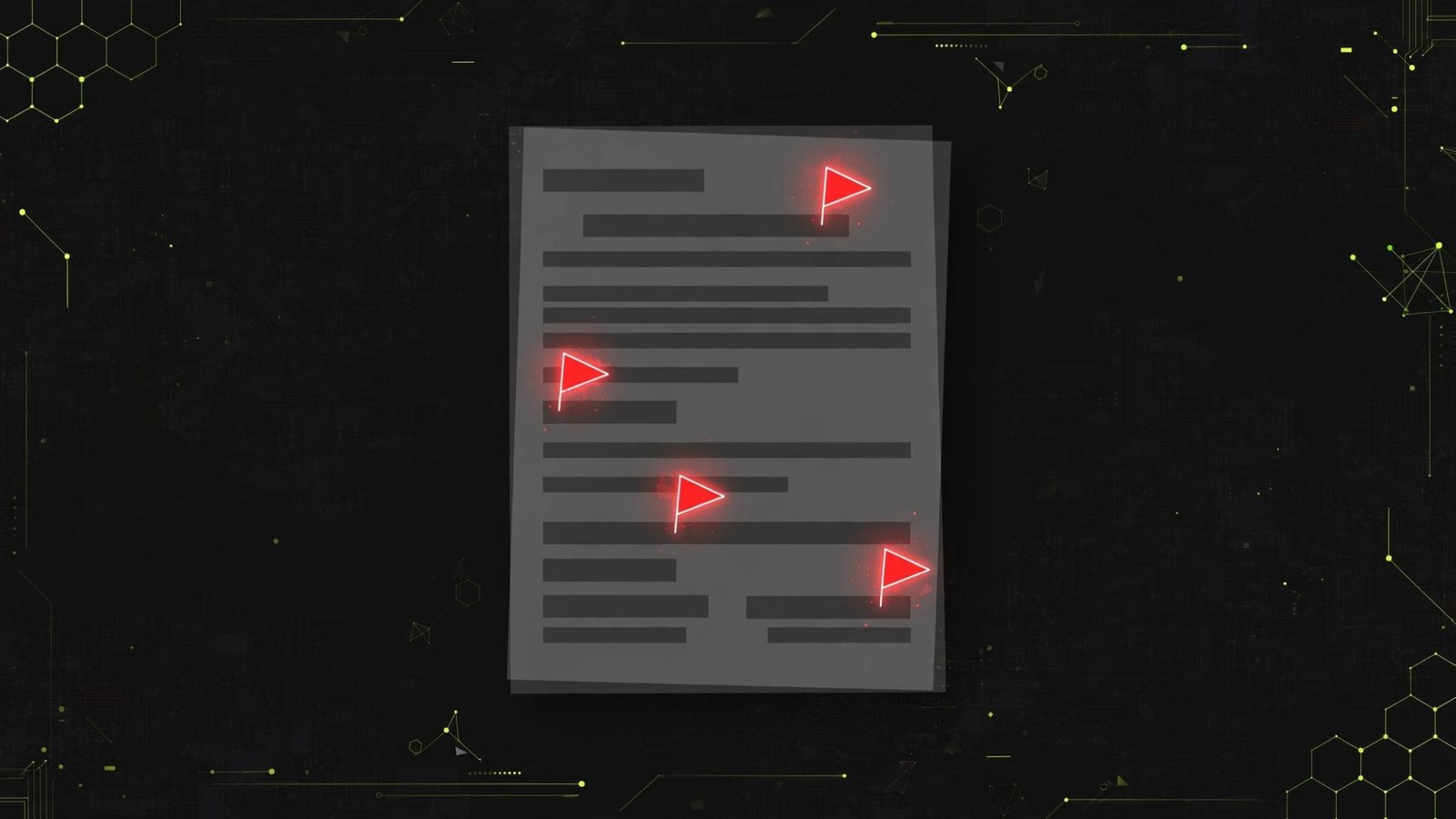
AI detectors return likelihood scores, not verdicts, and they misclassify human writing regularly. More importantly, applicant tracking systems are keyword and experience parsers — they don't run AI detection at all. If your CV is being rejected, the cause is almost certainly in the content, not in some hidden AI-detection pipeline.
The Real Reasons AI CVs Get Rejected
1. Generic claims with no evidence
This is the number one killer. AI drafts produce sentences like "results-driven professional with a proven track record of excellence" — which says absolutely nothing. Recruiters scan for specific accomplishments: what you did, the scale, the result. A CV where every bullet could describe anyone gets rejected in seconds.
Fix: Attach evidence to every claim. "Results-driven" becomes "Grew regional sales 22% in one year by building a referral program with 40 partner businesses." Only you know your numbers — AI can't invent them for you (and you shouldn't let it).
2. No tailoring to the role
AI drafts optimize for a generic job, not your job. A recruiter comparing your CV to the job description looks for mirrored keywords and matched requirements. An untailored CV reads as mass-applied, and mass-applied CVs lose to tailored ones.
Fix: Read the job description and mirror its language. If it asks for "stakeholder management," use that phrase — don't hope the AI's synonym ("cross-functional collaboration") will match the keyword scan.
3. ATS-breaking formatting
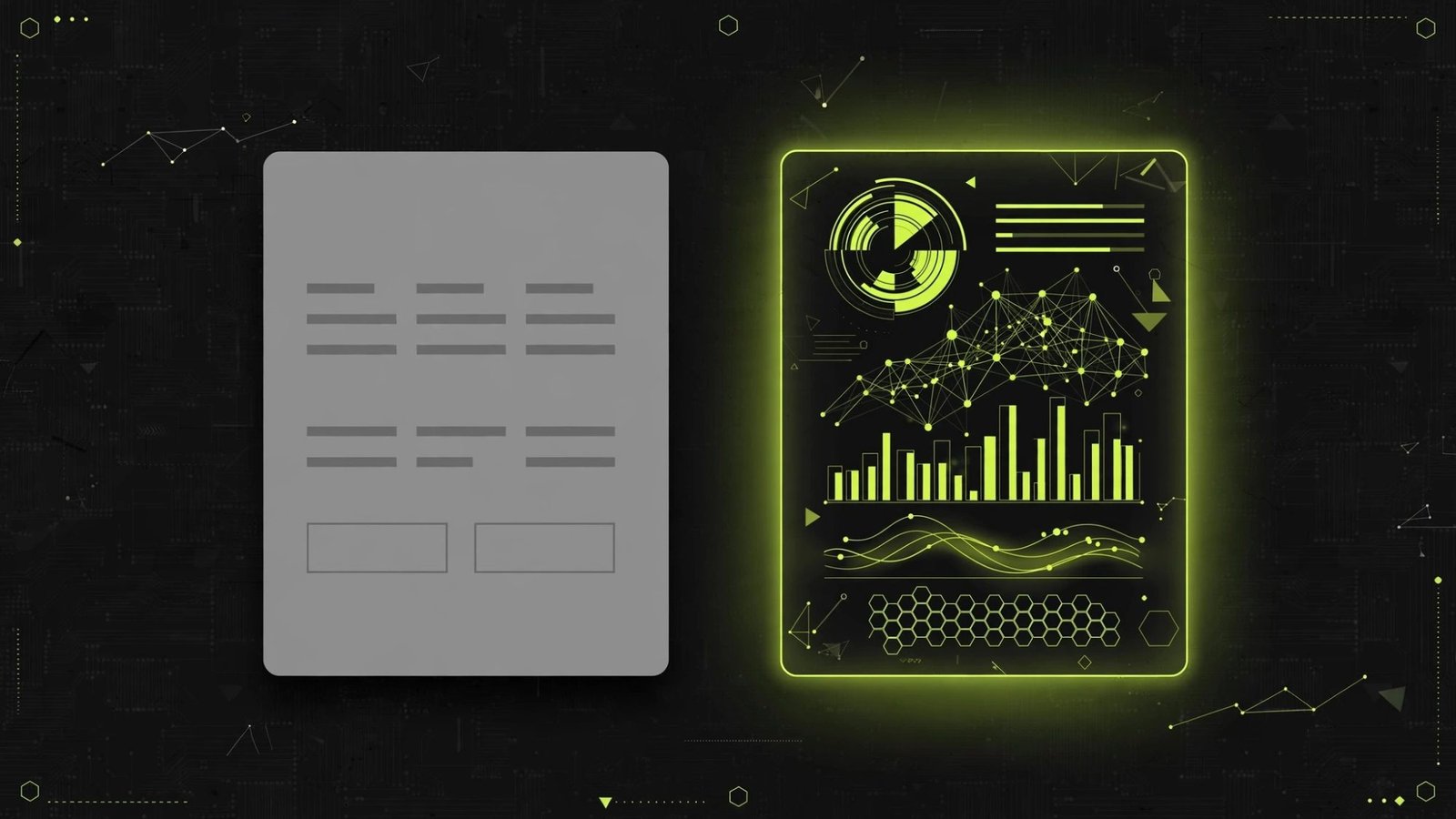
AI writing tools often produce visually impressive CVs: two-column layouts, graphics, skill bars, text in tables and text boxes. Many applicant tracking systems can't parse these. When the parser fails, your CV arrives as garbled text — and garbled text gets rejected.
Fix: Single column, standard headings (Experience, Education, Skills), no tables or text boxes, standard fonts. Boring formatting survives; beautiful formatting dies.
4. Keyword stuffing without substance
Some AI drafts solve the keyword problem by stuffing the job description's vocabulary into a skills list with no supporting experience. Recruiters and hiring managers spot this instantly in interviews — and increasingly in the CV screen.
Fix: Only claim skills you can back up with a bullet point. A shorter, truthful skills list beats a long, hollow one every single time.
5. Fabricated or inflated details
The most dangerous failure: AI tools that "fill in the gaps" by inventing job titles, dates, or achievements. Fabricated CV content is a firing offense when discovered — and background checks discover it.
Fix: Review every line yourself. If the AI wrote something you can't verify, delete it. Never let a tool invent your history.
The Workflow That Actually Works
Step 1: Draft with AI
Use the tool for structure, formatting, and language cleanup. Get a solid skeleton fast.
Step 2: Add your specifics
Go bullet by bullet and add real accomplishments with real numbers. This is the work no AI can do for you, and it's the work that matters most.
Step 3: Tailor to the posting
Mirror the job description's keywords and requirements. One tailored CV per application beats one generic CV sent to fifty roles.
Step 4: Simplify the format
Strip fancy layouts down to a clean single-column document. Test it by pasting it into a plain text editor — if it reads cleanly there, ATS will read it cleanly too.
Step 5: Read it as a recruiter
Give yourself 30 seconds per page — that's all you get. Does every bullet earn its place? Is every claim backed by evidence? Cut anything that fails the test.
Red Flags Recruiters Spot in Seconds
Recruiters develop pattern recognition fast, and AI-drafted CVs share tells that a trained eye catches in the first scan. Knowing these tells lets you scrub them before your CV goes out.
Identical sentence openers
AI drafts love starting every bullet the same way: "Responsible for," "Demonstrated ability to," "Successfully delivered." Five bullets in a row with the same structure scream template. Vary your openers — start some with the result, some with the action, some with the context.
Skills lists with no supporting evidence
A wall of 25 skills, from "leadership" to "blockchain," with no bullet backing any of them up. Recruiters read the skills list last and the experience section first — unsupported skills are decoration.
Dates that don't quite add up
AI tools filling gaps sometimes produce overlapping roles, impossible timelines, or employment ending "present" on a role you left years ago. Verify every date yourself. Inconsistencies here are the fastest way to land in the reject pile.
One-size-fits-all summaries
The professional summary that could belong to anyone: "Dedicated professional seeking challenging opportunities to leverage skills and grow." If your summary doesn't name your field, your level, and your standout result, rewrite it with specifics.
How to self-audit in ten minutes
Read your CV once looking only for specifics — circle every number, name, and concrete result. If a page has fewer than three circles, it needs more evidence. Read it again looking only for claims you can't prove — delete or soften every one. Two passes, ten minutes, and your CV reads like it was written by someone with a real career instead of a template.
The fix for AI-generated CVs is not better AI — it is more of you in the document. Specific numbers, real projects, and a genuine voice are things no generator can fabricate. Add those, and the CV stops sounding generated, because it stops being generic.
Frequently Asked Questions
Do employers reject CVs for being AI-generated?
Employers reject CVs for being generic, not for being AI-generated. A CV that could describe anyone gets rejected whether a human or a machine wrote it. Detectors are not the screening mechanism — weak content is.
What is the biggest reason AI CVs get rejected?
Generic, unverifiable claims. AI drafts produce phrases like "results-driven professional" with no evidence. Recruiters filter for specific accomplishments, and a CV with none does not survive the first scan.
Can I use AI to help write my CV?
Yes, as a drafting and formatting assistant. The winning approach is to let AI build structure and clean up language, then add your real accomplishments, specific numbers, and the story only you can tell.
Do AI-generated CVs fail ATS screening?
They can. AI drafts sometimes use fancy formatting, tables, and graphics that applicant tracking systems cannot parse. A clean single-column layout with standard headings survives ATS parsing reliably.
How do I fix an AI-generated CV?
Replace every generic claim with a specific accomplishment, add numbers to your results, tailor the CV to the job description's keywords, and simplify the formatting to a clean single-column layout.
