Why Readability Scores Matter for SEO: The Honest Evidence
Published November 5, 2026 · 7 min read
Why Readability Scores Matter for SEO: The Honest Evidence
Why readability scores matter for SEO comes down to one honest distinction: readability is not a direct Google ranking factor — but it drives the reader behavior Google does reward. Clearer pages get read longer, bounced from less, shared more, and linked to more often. Those engagement signals influence rankings. So while no algorithm is grading your Flesch score, your readers effectively are, and Google listens to them.

The Claim You'll Hear (and What's True About It)
Some SEO advice says "Google ranks readable content higher" as if there's a Flesch-score line item in the algorithm. That's not how it works. Google has never listed readability scores among its ranking factors, and its representatives have stated that scores like Flesch-Kincaid are not used in ranking.
What IS true: Google's ranking systems aim to surface content that satisfies searchers. Satisfaction shows up in behavior — how long people stay, whether they bounce back to search results, whether they share and link. Readability shapes all of that behavior. The path from readable writing to better rankings is real; it just runs through humans, not through a formula.
The Indirect Chain: Readability → Engagement → Rankings
Here's how the mechanism actually works:
Dwell time and bounce rate. When a page is hard to read — long paragraphs, dense jargon, meandering structure — visitors leave. High bounce-back-to-SERP rates and short visits are weak satisfaction signals. Clear, scannable pages hold attention longer.
Pogo-sticking. If searchers repeatedly click your result and bounce back to try another, that's a strong negative signal. Readability directly affects whether the clicker stays.
Natural backlinks. People link to pages they actually read and understood. Clear, quotable content earns links; impenetrable content doesn't get shared. Links remain one of the strongest ranking factors.
Featured snippets and AI Overviews. Clear, direct answers in the first 100 words get lifted into snippets and AI-generated answers. That's a readability discipline — answer-first structure — producing visibility directly.
So: no, a better Flesch score doesn't add ranking points. But everything readability improves — engagement, satisfaction, links — does.
What Readability Means Beyond the Score
"Readability" isn't just grade level. The full reading experience includes:
Structure. Descriptive subheadings, short paragraphs (2–4 sentences), bullet lists for enumerations, and a logical flow. Scannable pages win because most readers scan before they commit to reading.
Sentence craft. Average sentence length under ~20 words for general audiences. Varied rhythm — some short punches among longer explanations. Active voice by default.
Word choice. Plain words over jargon. "Use" not "utilize." Defined acronyms. Technical terms only when the audience knows them.
Visual breathing room. White space, relevant images, pull quotes, and tables all reduce the perceived effort of reading. A page that looks easy gets more reading attempts.
A readability checker measures the text layer. The rest is editing craft. For the text layer, run your draft through FiftyGPT's readability checker before publishing.
Target Readability Levels by Content Type
| Content type | Flesch Reading Ease | Grade level |
|---|---|---|
| Blog posts, how-to guides | 60–70 | 6th–8th |
| Product pages, landing pages | 60–80 | 5th–8th |
| B2B / industry content | 40–60 | 8th–12th |
| News articles | 60–70 | 6th–8th |
These are guides, not gates. A technical B2B whitepaper at a 12th-grade level isn't "bad SEO" — it matches its audience. The mistake is writing at a 16th-grade level for a 7th-grade audience, or dumbing down specialist content until experts stop trusting it.
How Readability Interacts With E-E-A-T
Google's quality guidelines emphasize Experience, Expertise, Authoritativeness, and Trustworthiness. Readability supports every one of them:
- Experience: Clear step-by-step writing shows you actually did the thing.
- Expertise: Experts explain simply. If you can't explain it plainly, readers doubt you understand it.
- Authoritativeness: Well-organized, readable reference content gets cited and linked.
- Trustworthiness: Transparent, jargon-free writing feels honest. Dense, evasive prose feels like it's hiding something.
Thin, AI-spun content often fails on readability first — uniform sentence lengths, vague filler phrases, no real structure. That's one reason such content struggles: it's not just low-effort, it's low-readability.
A Practical Readability Pass for SEO Content
Before publishing, run this checklist:
- Check the score. Paste into a readability checker; note the grade level.
- Fix the worst sections. Don't chase the average — find the densest paragraphs and rewrite those.
- Front-load answers. Put the direct answer in the first 100 words; details follow.
- Add scan structure. Every 200–300 words deserves a subheading. Long lists become bullets.
- Read it aloud. If you stumble, readers will too. Fix every stumble.
- Cut the first draft's fat. Adverbs, throat-clearing intros ("In today's fast-paced world…"), and repeated points all drag scores down.
What NOT to Do
Don't game the score. Inserting one-word sentences to lower your grade level produces choppy, unnatural writing that readers hate. The score is a diagnostic, not a target.
Don't oversimplify expert content. If your audience is engineers, write for engineers. A cardiology journal at a 6th-grade level loses credibility.
Don't confuse short with clear. "Leverage synergies to optimize outcomes" is short and meaningless. Clarity is about precision, not just brevity.
A Quick Before-and-After
Here's the same idea at two readability levels:
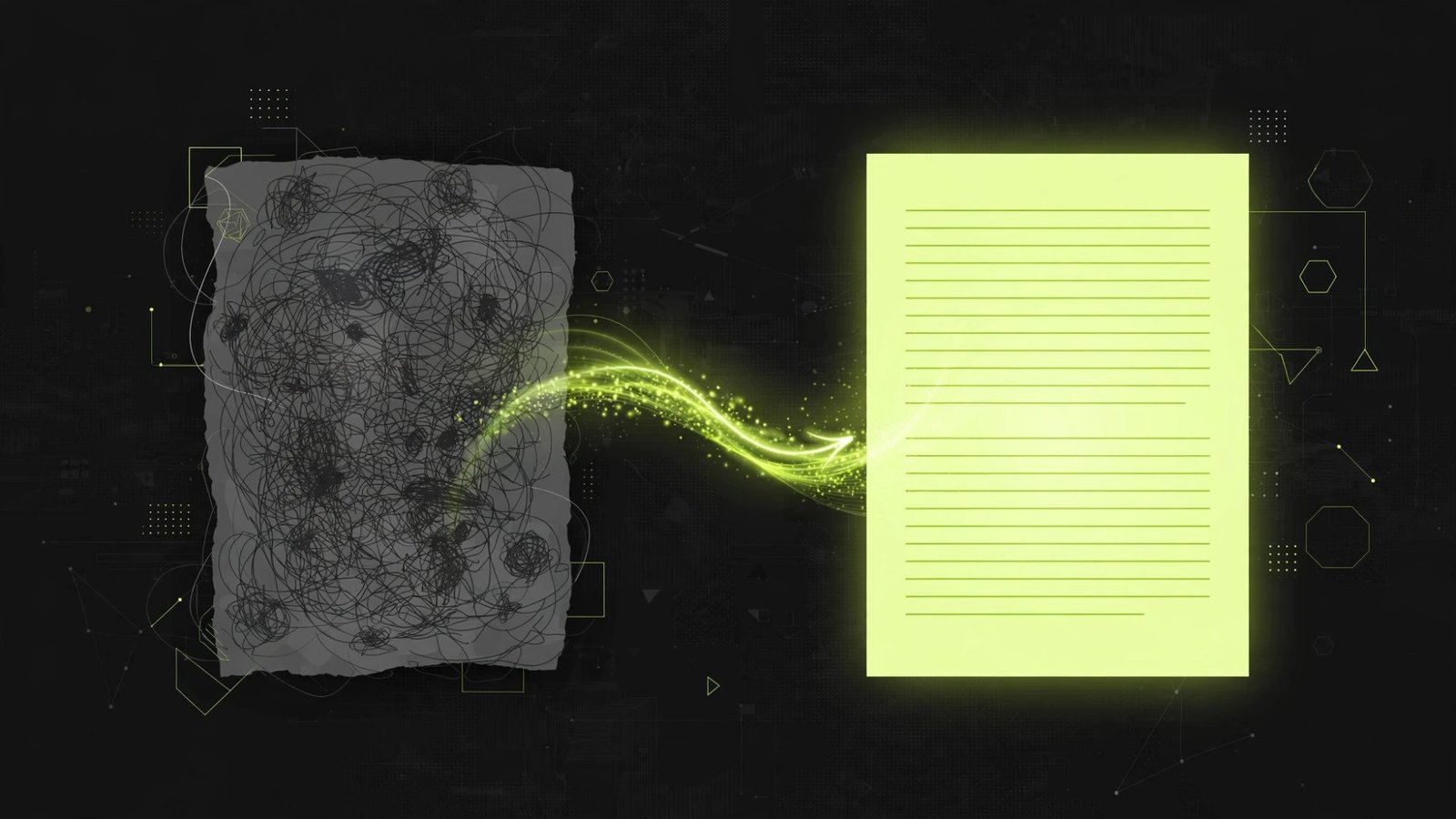
Before (dense): "The utilization of overly complex linguistic constructs in digital content production frequently results in suboptimal user engagement metrics and diminished search visibility outcomes."
After (clear): "Complicated writing drives readers away — and hurts your rankings."
Same meaning, half the effort to read. Run this kind of comparison on your own densest paragraphs and the difference becomes obvious fast.
Frequently Asked Questions
Why do readability scores matter for SEO?
Readability scores matter for SEO indirectly. Google doesn't use Flesch scores as ranking factors, but clearer pages earn better engagement — longer dwell time, lower bounce rates, more natural backlinks — and those signals do influence rankings.
Is readability a Google ranking factor?
Not directly. Google has never listed readability scores among its ranking factors, and representatives have said scores like Flesch-Kincaid are not used in the algorithm. What Google does reward is helpful, satisfying content — and readability is one of the things that makes content satisfying to real readers.
What readability level is best for SEO?
For general-audience pages, a 6th–9th grade reading level (Flesch Reading Ease roughly 60–70) is a solid target. Most adults read most comfortably in this range. Match the level to your audience — B2B technical content can run higher without penalty.
How do I improve my page's readability for SEO?
Shorten long sentences, break up walls of text with headings and lists, replace jargon with plain words, use active voice, and put the answer near the top. Then check the score with a readability checker and revise the densest sections.
Do images and formatting count as readability?
Yes — readability is about the reading experience, not just the words. Short paragraphs, descriptive subheadings, bullet lists, relevant images, and generous white space all make pages easier to scan and finish, which supports the same engagement signals that help SEO.
